To the moon! Or maybe just to Jersey.
Let’s start out with the obvious: it’s been a rough few years for United Airlines. Amidst a choppy merger, a CEO ouster scandal (then the new replacement CEO having health issues), and an awful economic climate for the industry during most of the decade, the Chicago-based airline’s public perception took a big hit. It has become pretty clear that major change is needed to win over the hearts and minds of the American flying public.
Over the past year, United has unveiled a number of updates, including the return of free snacks in economy, beer and wine in long-haul international economy, the continued rollout of WiFi, increased direct-to-device streaming entertainment, refreshed menus in premium cabins, and improved United Clubs. Some updates have gone into effect already, while others will be rolled out gradually during this year.
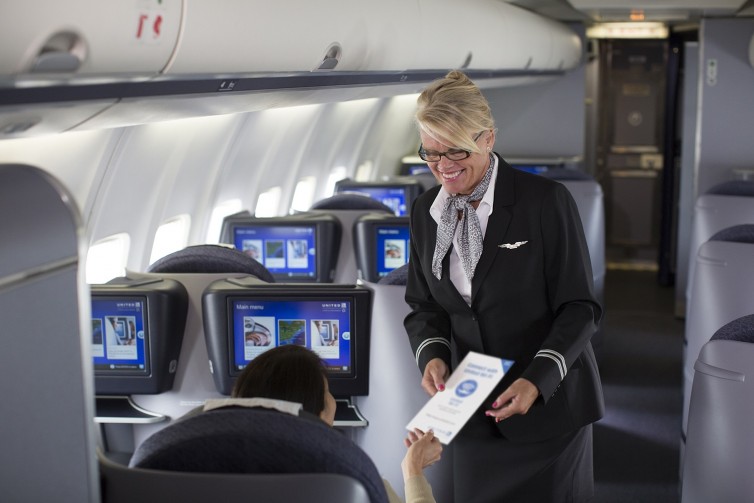
p.s. BusinessFirst – Photo: United
One major structural change in 2015 was United’s withdrawal from JFK Airport, which had previously served as the New York terminus of the flagship domestic Premier Service (p.s.) routes from San Francisco and Los Angeles. As of October 2014, those flights now land at United’s massive and ever-expanding hub at Newark Liberty International (EWR). On the other coast, United has also been investing in its Terminal 3 hub at SFO.
Other airlines have been upping their transcontinental game, with American flying three-class A321Ts, JetBlue expanding its ever-popular Mint service, and Delta offering its Delta One long-haul product between JFK and LAX/SFO.
Over the course of a few trips between San Francisco and New York on the p.s. route, I had a great chance to test drive some of the latest changes at United. Read on as I share some of my insights from putting the new United through its paces.
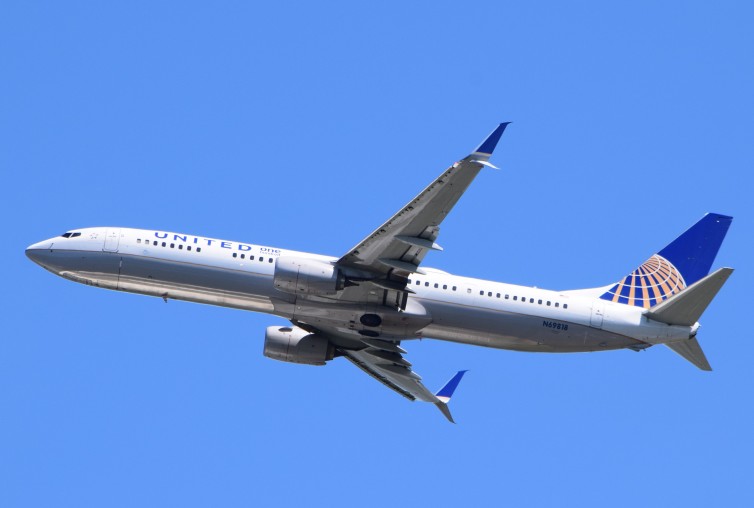
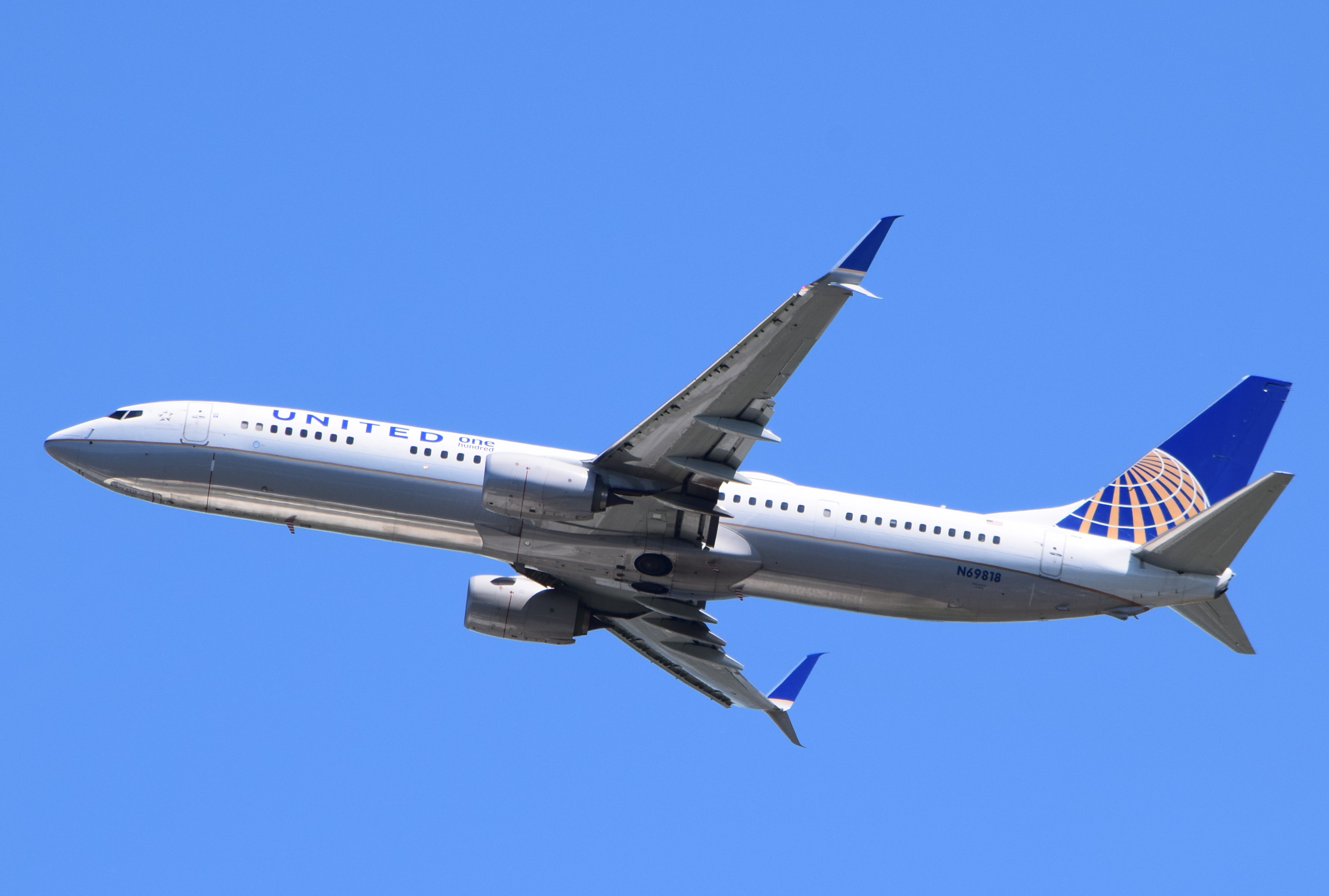
A United 737-900ER flying the friendly skies – Photo: John Nguyen | AirlineReporter
“Thanks, United” – it’s not a phrase you hear very often these days, but I want to give some credit where credit is due. Just a few weeks ago, after finding a great fare, my wife and I decided to take a long weekend trip to Cancun at the end of February. We were looking forward to sitting on the beach, soaking up some winter sun, and enjoying drinks at one of Cancun’s many all-inclusive resorts. Well, a lot has happened since then.
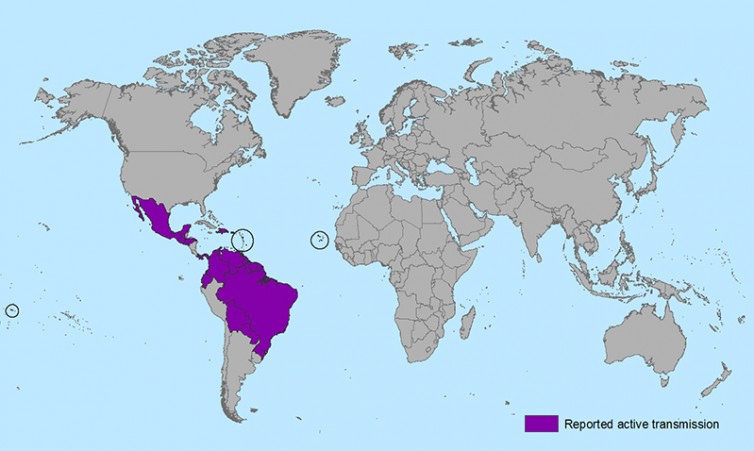
Areas affected by Zika virus – Image: CDC
First, the Zika virus became big news. In case you’ve been living in a cave for the last few weeks, Zika has been spreading like wildfire throughout South America and has recently been making inroads into Mexico and the Caribbean. On the surface, Zika doesn’t sound so bad – it typically has mild flu-like symptoms and tends to clear up pretty quickly. However, doctors have recently noticed a scary trend, wherein babies born to women who contracted Zika during pregnancy exhibit alarmingly high rates of birth defects. This led the US Centers for Disease Control (CDC) to issue an unprecedented travel warning, recommending that pregnant women avoid travel to all affected areas. Concerning, but still not worth canceling a trip over, given that neither of us were pregnant.
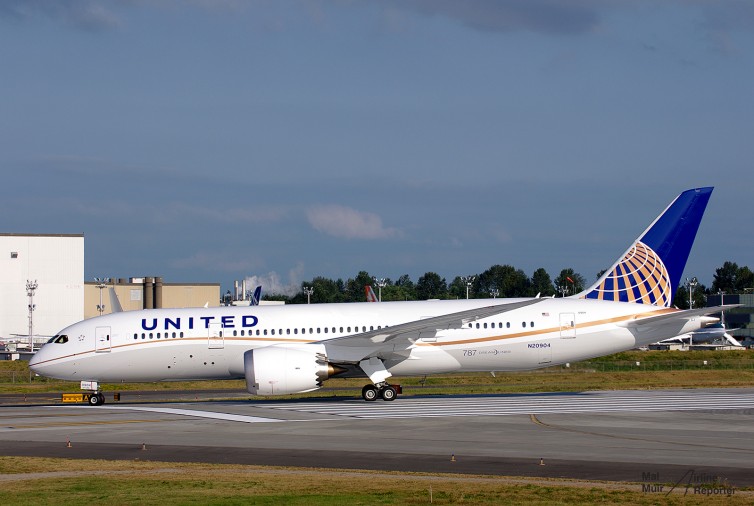
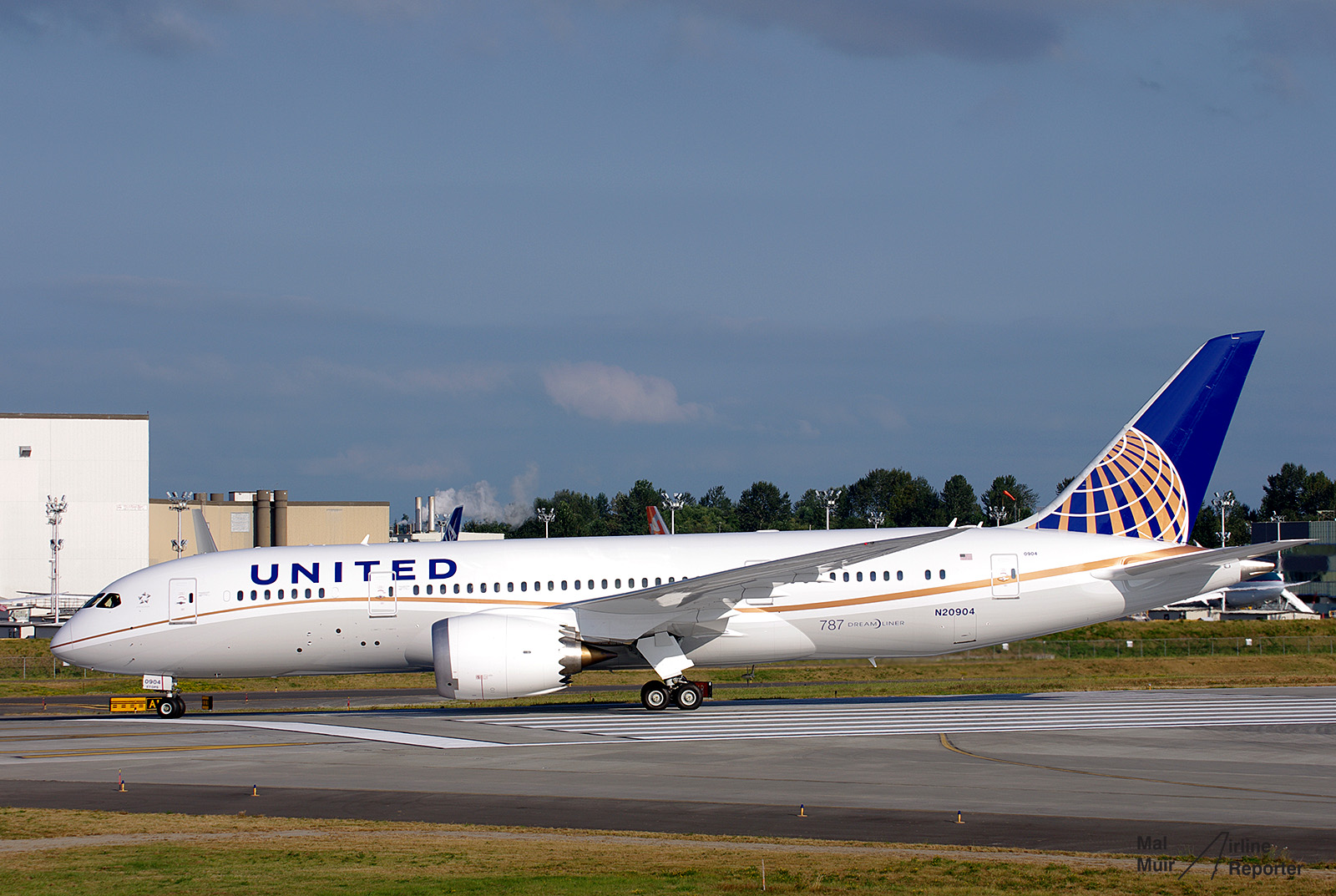
United Airlines’ first 787 at Paine Field – Photo: Mal Muir | AirlineReporter
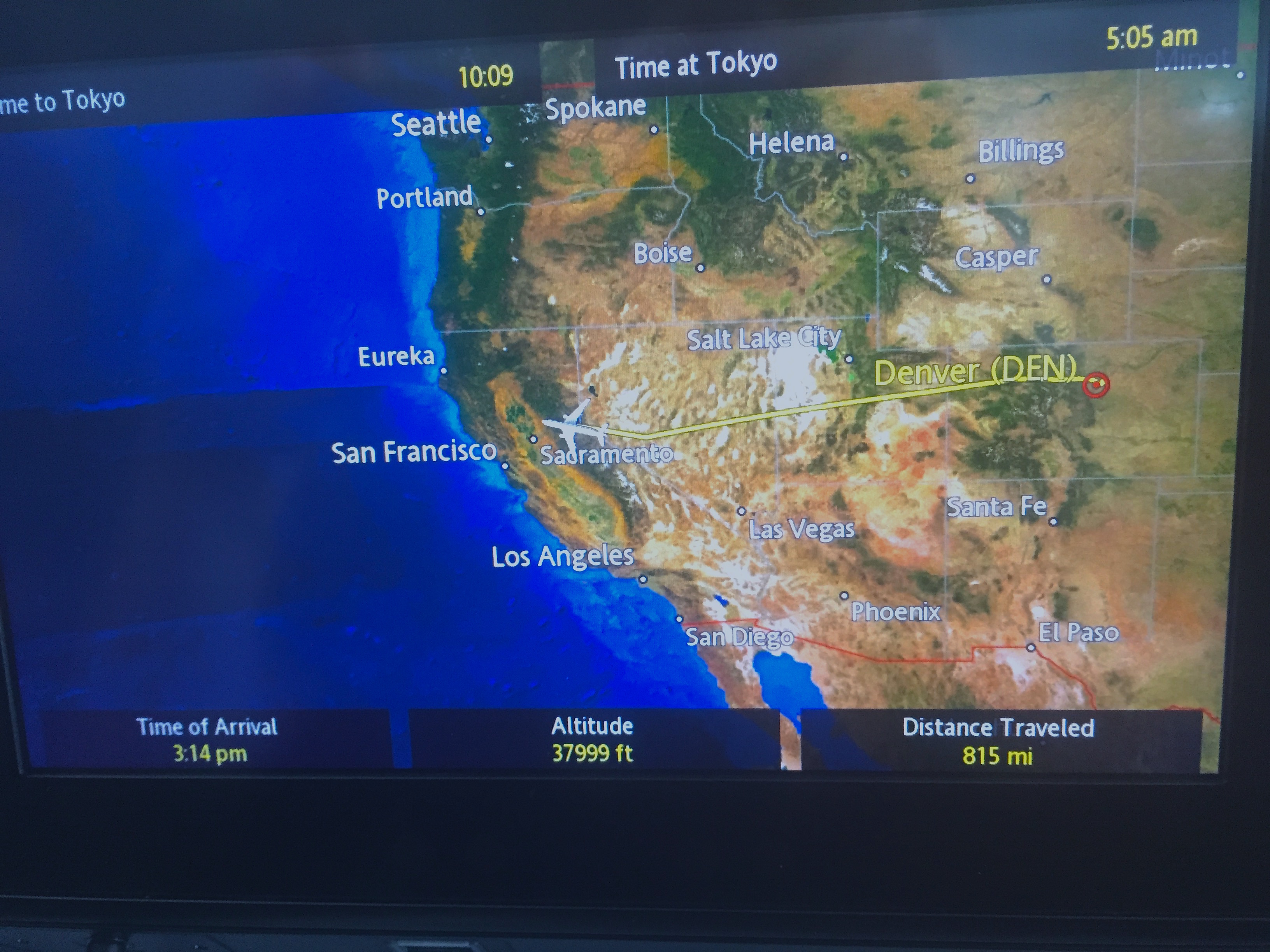
THIS is the route that the Boeing 787 Dreamliner was built for. Flying between Tokyo and Denver, you need a special kind of aircraft. Something that is super-efficient, able to deal with Denver’s high altitude and summer heat, and right-sized for the market. The 787-8 checks all of those boxes.
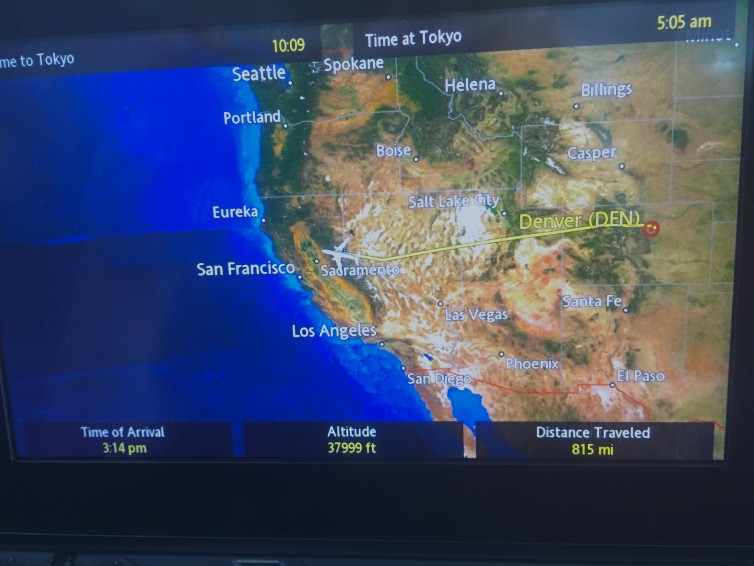
Luckily, the 787 has the legs for some wonky routings from Denver due to winds – Photo: Blaine Nickeson | AirlineReporter
Recently, I planned a trip with friend (and fellow Denver-based AirlineReporter writer), Dave Delagarza. Our wives were not thrilled to care for the young kids during the trip, but we’d be gone for less than 72 hours. In that period of time, we flew nearly 20,000 miles to Kuala Lumpur, Malaysia and back, all on 787-8s (of both the United and ANA variety). This helped us both re-qualify for our elite status levels with United, our dominant carrier here in Denver.
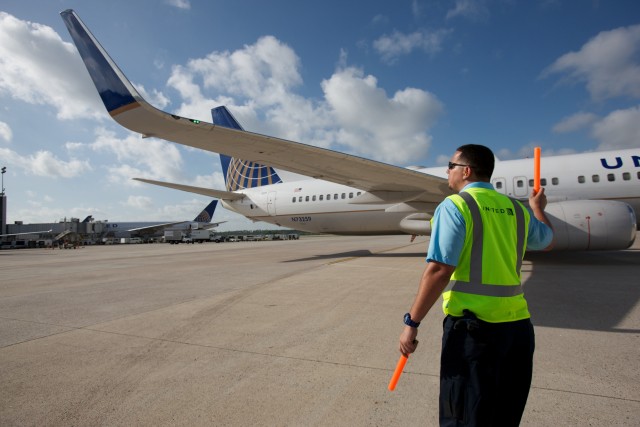
United will hopefully be going a new direction – Photo: United Airlines
United Airlines’ CEO Jeff Smisek is no longer the CEO. Nor is he even on the board, which he used to chair. It’s a rarity for an airline CEO to make such a grand exit without telegraphing the move to not only the board of directors and shareholders, but even senior management.
There is usually one reason for this. The biggest fear any businessman can face: a federal investigation.
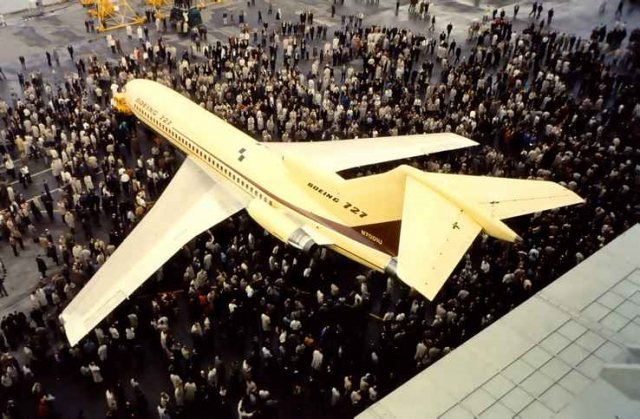
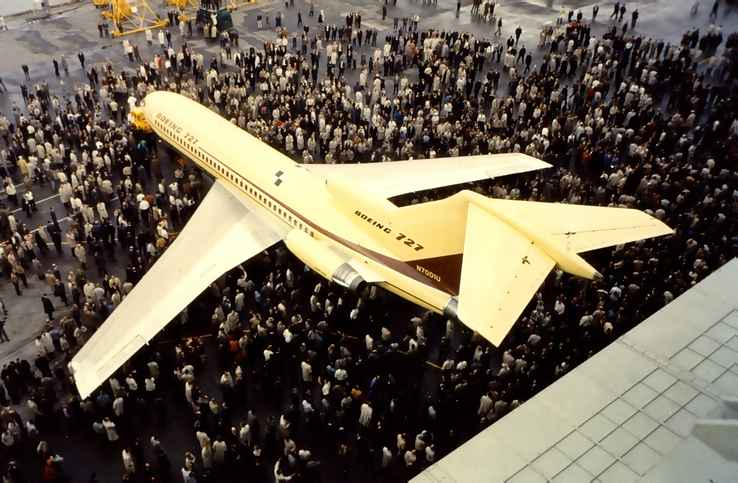
Roll-out of E1 (N7001U) from Boeing Renton Plant, 27 Nov 1962 – Photo: Bob Bogash
More than 27 years after it was gifted to the Museum of Flight, the first Boeing 727 is still being restored at the museum’s Restoration Center at Paine Field in preparation for its last flight down to Boeing Field.
This plane first rolled out of the factory on November 27, 1962, and took its first flight (from Renton Field to Paine Field) on February 9, 1963. It was then used for a year as a Boeing test flight aircraft before being delivered to United Airlines on October 6, 1964.
With United, it flew 64,495 hours, with 48,060 take-offs and landings. After being repainted to its original livery, N7001U flew, in January 1991, from Boeing Field to Paine Field, where it has been sitting ever since.
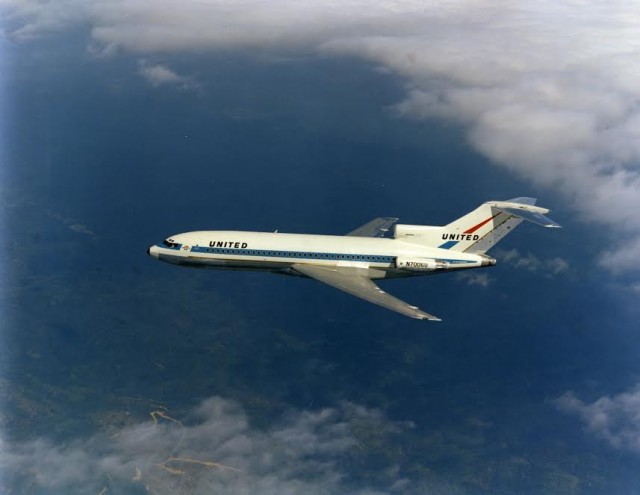
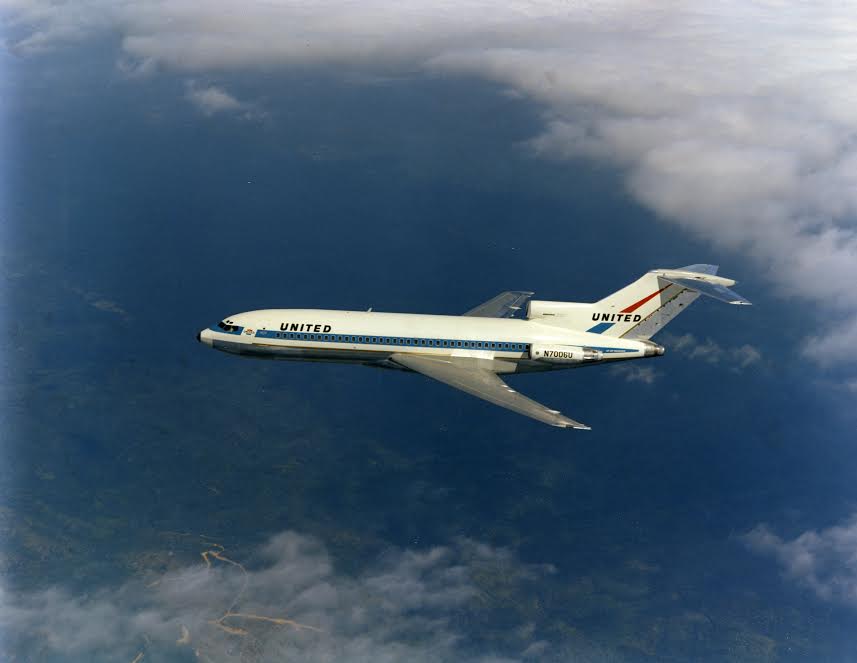
This is N7006U, but N7001U sported this same livery in 1964 – Photo: The Boeing Company
Restoration work has stopped and started more than once over the years. Some restoration work started in 1997, but was hampered by the lack of 727 parts. (United had removed any usable components to support their other 727s still in service at the time). Sadly, the plane was left open for several years after it was delivered, and many parts “disappeared” during that time, as well.
A new restoration effort started in May of 2004, after the donation of N124FE (aka Marcella) from FedEx. That plane had the majority of the components needed, but additional parts were taken from three other 727s as well.