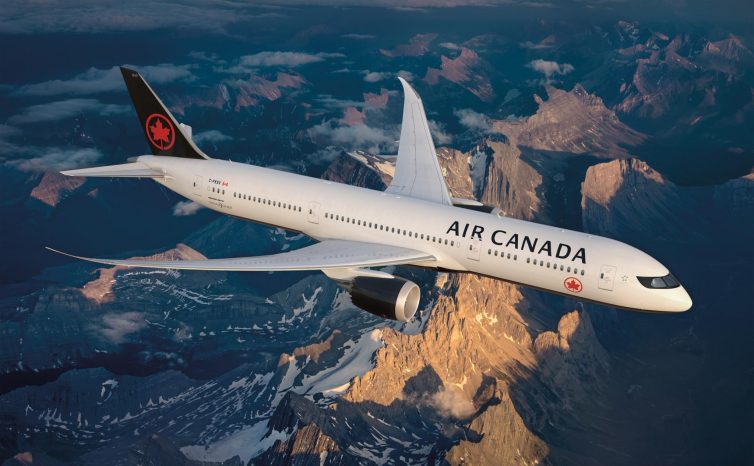
Have you ever thought that black was a color that represented Canada? – Image: Air Canada
NO!
Okay. There. I said what we were all thinking as Canadian AvGeeks. I just can’t. I am not a fan of Air Canada’s new look.
I want to understand the decisions behind this branding. Except, when I look at it I see nothing but bad things. “Inspired by Canada: Our brand new livery evokes the natural beauty and striking landscapes of our great nation #FlyTheFlag.”
Yeah, okay look. I am Canadian. I used to live in Canada’s subarctic. Black is a very common colo(u)r in Canada. Why? Because it’s freezing cold and dark for nine months of the year.
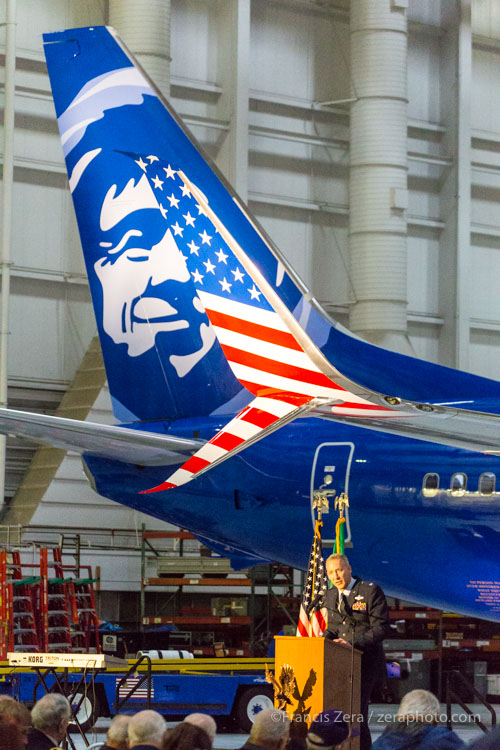
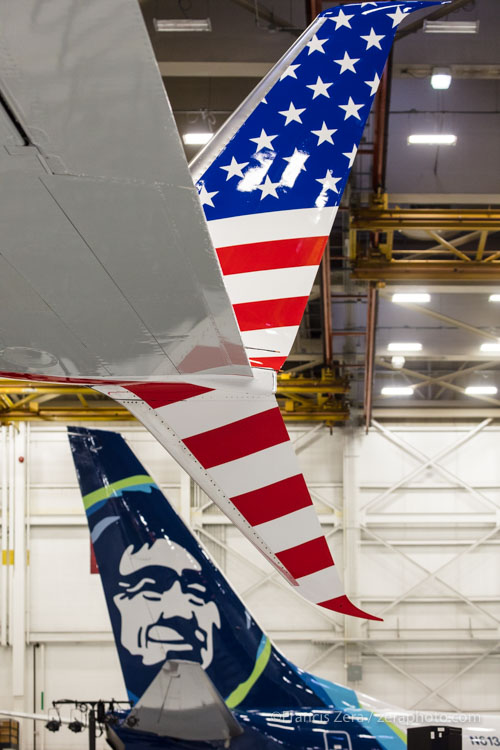
Coinciding with the upcoming Veterans Day holiday, Alaska Airlines has unveiled its newest special livery, a patriotic-themed scheme titled “Honoring Those Who Serve.”
-
-
Col. Garin Tentschert is the chief pilot for the airline’s Seattle base
-
-
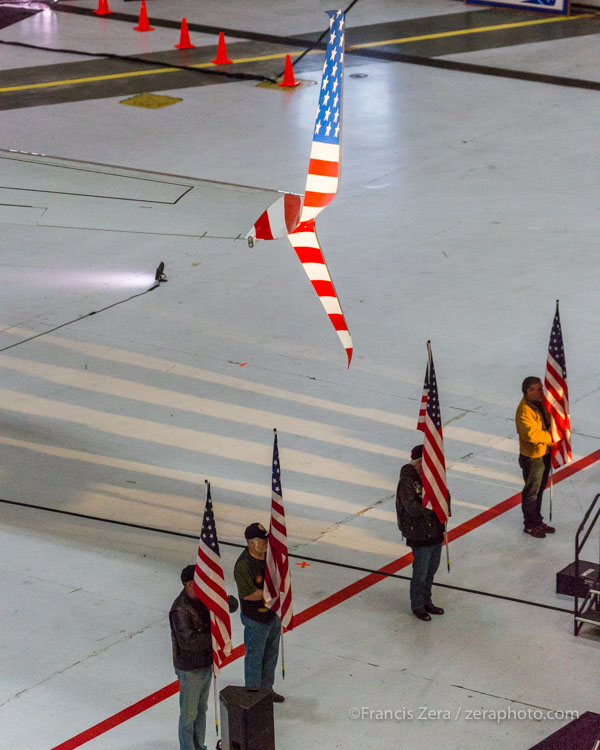
Members of the honor guard stand at attention during the ceremony
-
-
The livery features a stylized American flag design on both sides of the split-scimitar winglets
The Oct. 26 event had all the seriousness and dignity of a military function, and attention was called to the airline’s Fallen Soldier Program, which is designed to ensure that a fallen soldier’s remains are treated with respect and dignity while being transported on Alaska’s aircraft. The livery includes a special crest near the rear cargo door that represents the program.
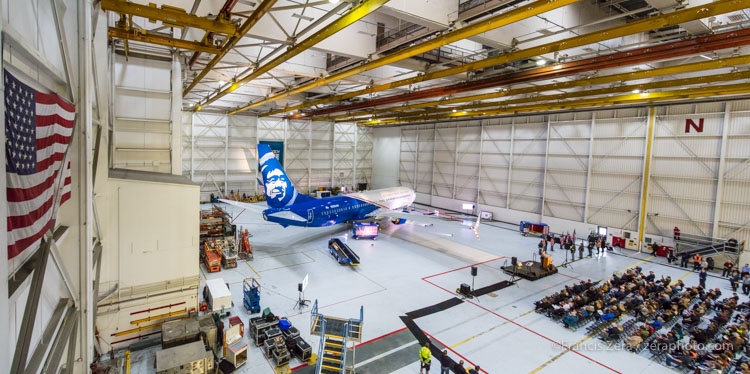
The event was held inside Alaska’s huge maintenance hangar at Seattle-Tacoma International Airport
The brand-new 737-900ER (registration number N265AK) entered revenue service the following day, and will be used across Alaska’s network.
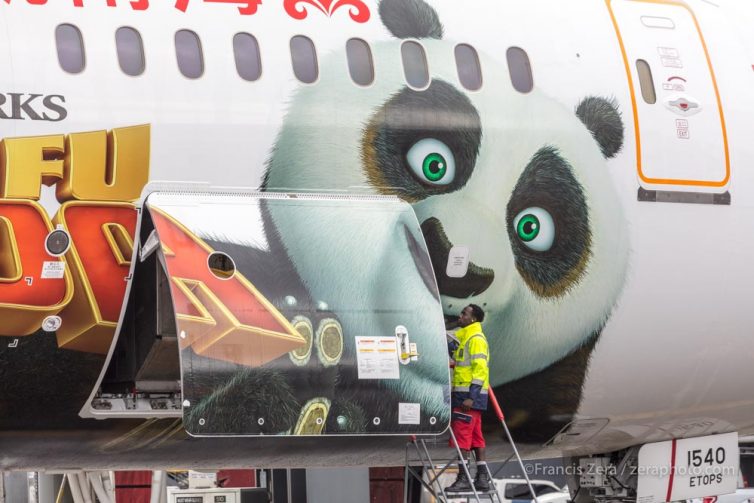
An airport worker opens a cargo door on Hainan Airlines’ Kung Fu Panda 787-9
A group of 97 students from Lincoln High School, in Tacoma, Wash., recently traveled to China at the invitation of Chinese President Xi Jinping, which is pretty awesome.
What’s even more awesome for AvGeeks was the aircraft that Hainan Airlines selected for the students’ return flight to Seattle-Tacoma International Airport (SEA): a shiny new 787-9 decked out in a new Kung Fu Panda livery.
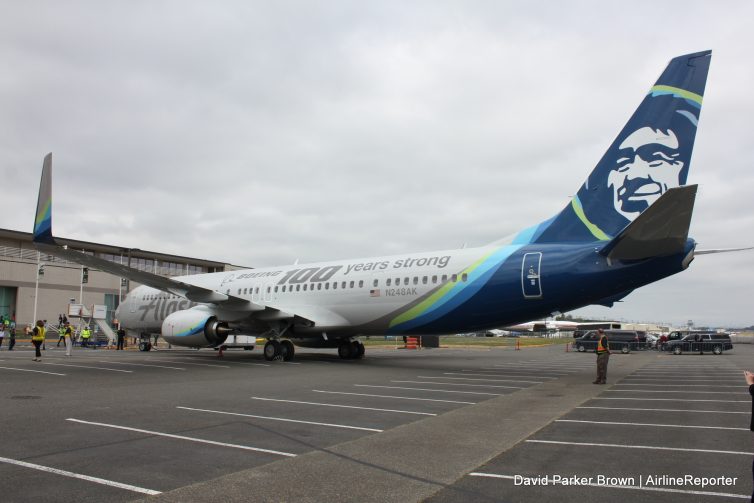
An Alaska Airlines Boeing 737-900ER with special livery sitting next to the Museum of Flight
What do you get the company that already has all the cool toys? A special livery of course! Last week, Alaska Airlines unveiled their special Happy Birthday to You Boeing livery (it is really called the Celebration of Boeing). But this is not just any birthday… this is Boeing’s 100th birthday.
The event took place in the parking lot, just next to the Museum of Flight at Boeing Field (aka King County International Airport). There were about 700 people who attended the event including quite a few VIPs.
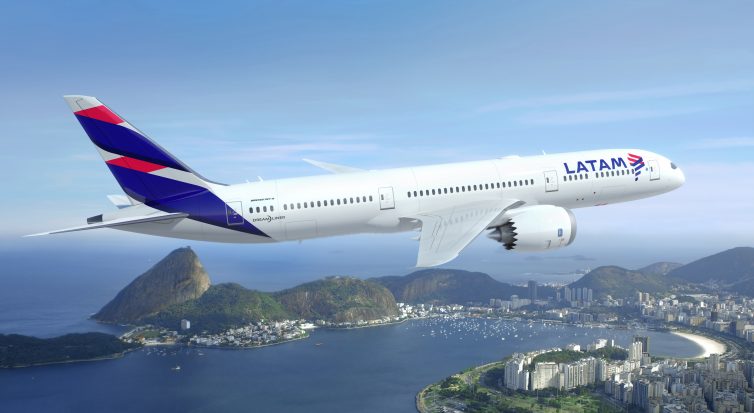
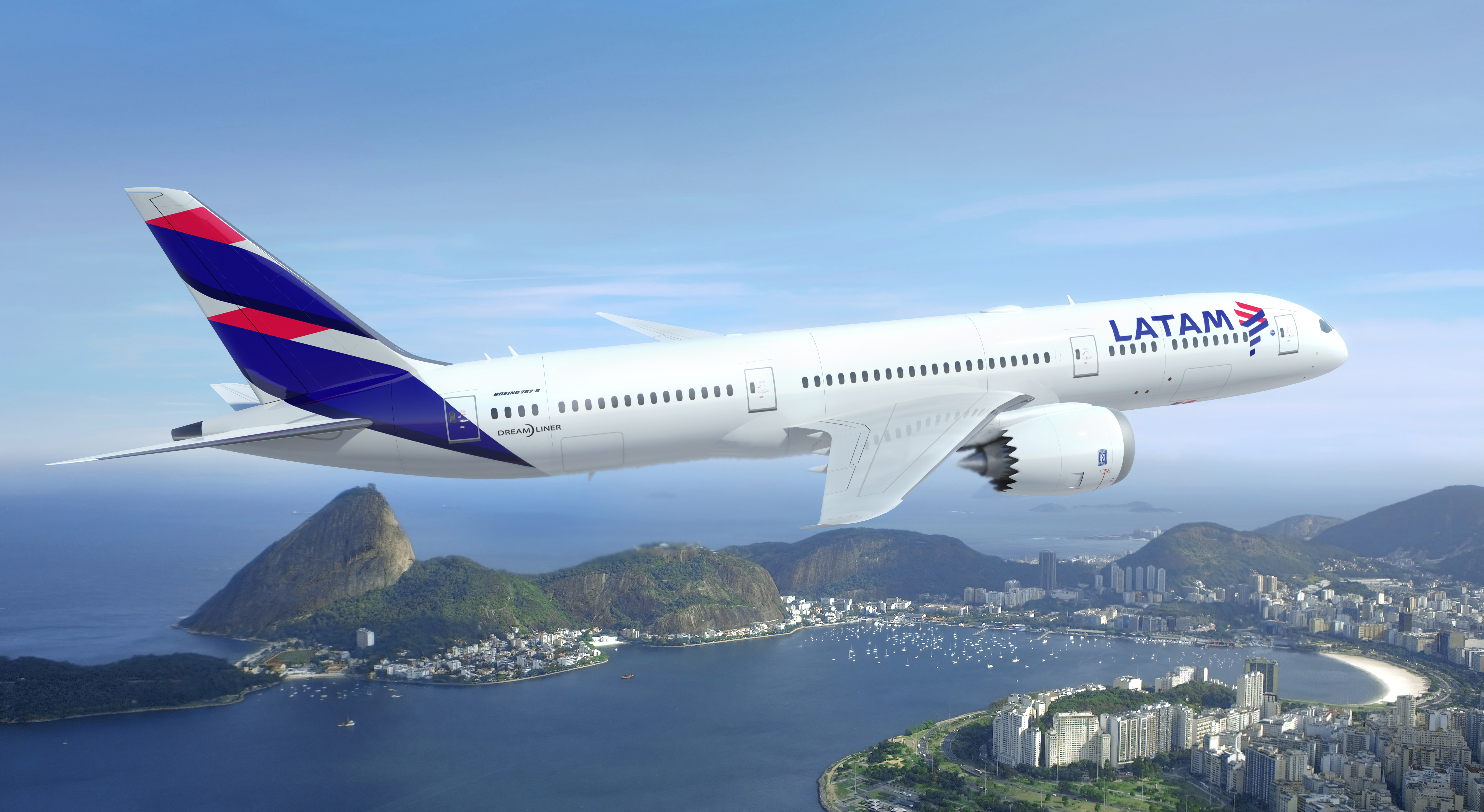
LATAM’s new livery on the Boeing 787-9 – Image: LATAM
Today, LATAM announced their new unified branding, under which the LAN and TAM airline brands will be combined.
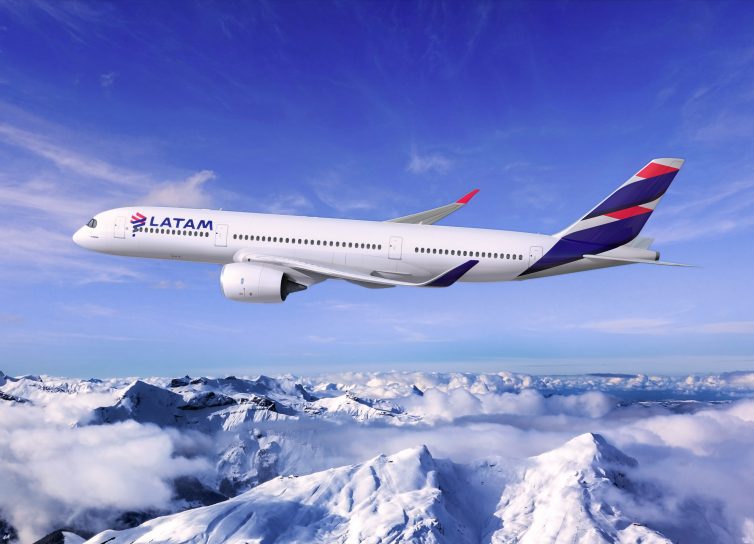
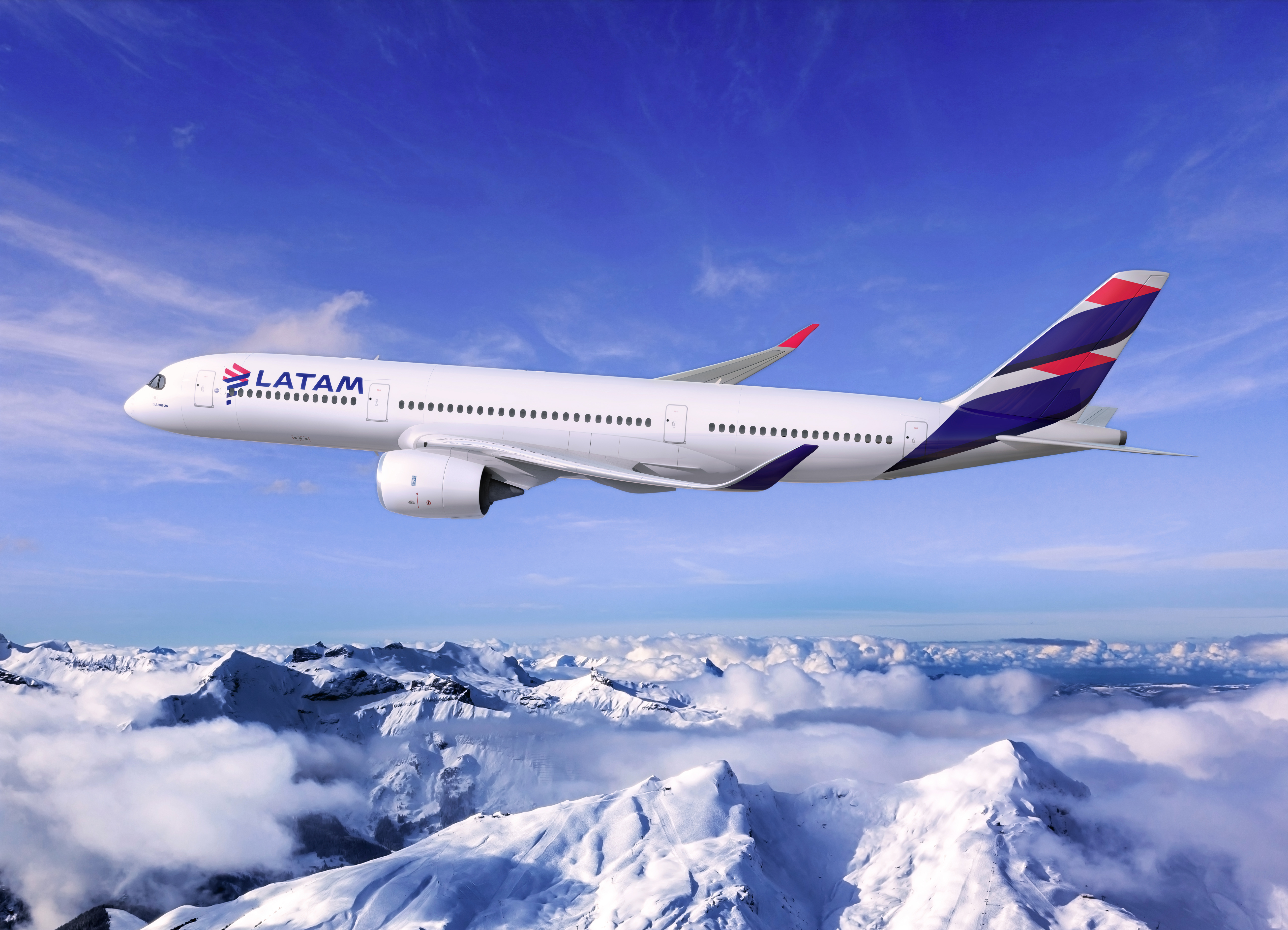
LATAM livery on the Airbus A350 – Image: LATAM
Today’s release confirms the livery rumors that savvy AvGeeks have seen floating around, including an in-the-wild spotting during the Boeing plant tour at this year’s Aviation Geek Fest.