Building an empire includes top hats and private 737s
You might have noticed that after some down period (around two years), things have been picking back up again at AirlineReporter in 2019 (well, other than the last week or so with our servers). We are publishing more stories and being more active on social media. We have a renewed motivation and vision that goes beyond what you have seen on our pages for the last decade or so.
I am proud to announce that on top of still bringing you the awesome airline content you have come to expect, our brand will be expanding into some new frontiers. Over the years I have found that those who have an interest in airplanes also share similar passions with other transport related things. Our research has also found a number of other categories that you, our readers, want covered. Instead of putting everything on AirlineReporter, we have decided to create what I am calling the “Reporter Empire” where we have different sites that will cover the different niche topics. I want to take a sneak peak of what you can expect in coming in the next year or so. Of course I would love to get your feedback!
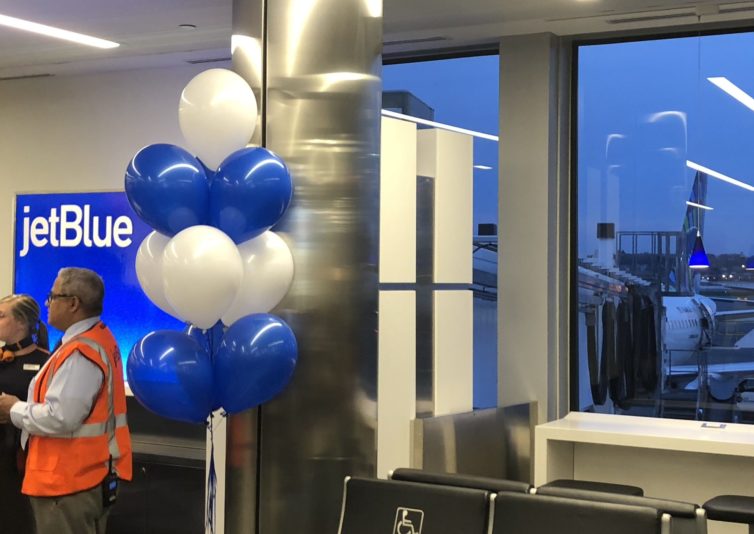
Early dawn at Boston Logan’s at gate C9 as we await boarding
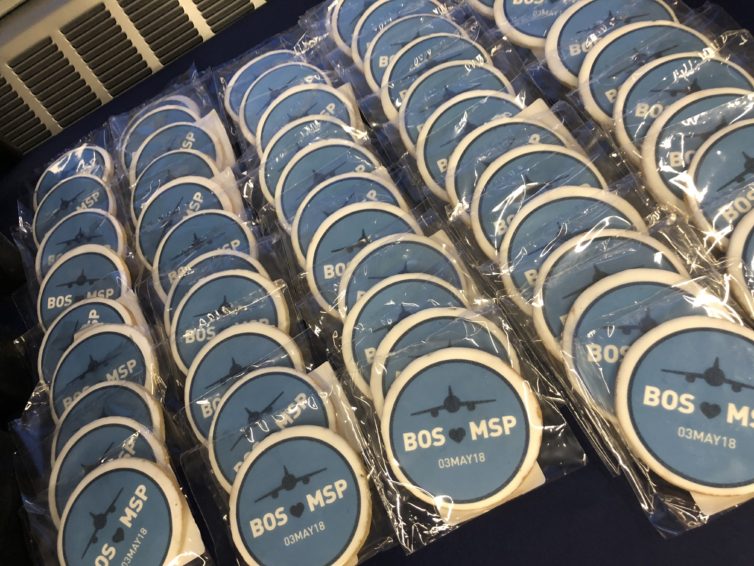
As an AvGeek, if you have never flown an inaugural, it’s something to consider doing. That’s not to say that every first flight comes with fanfare, but JetBlue knows how to throw an inaugural, complete with…
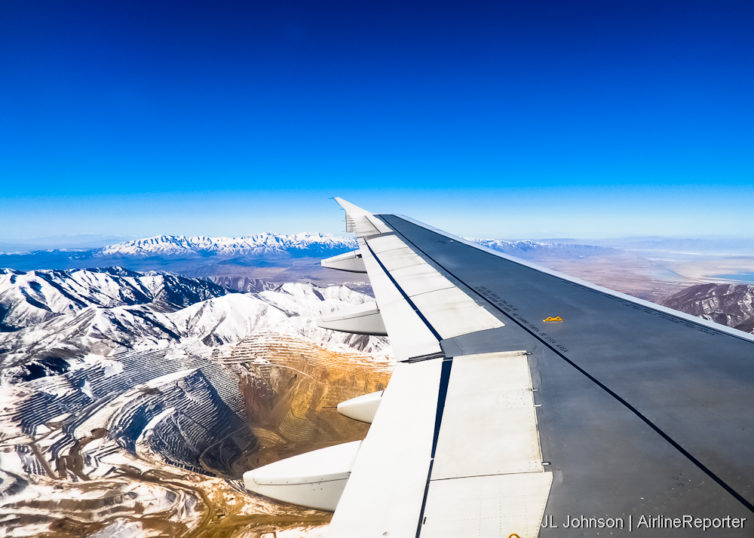
Flyover Country app offers detail on the Bingham Canyon Mine, which is sometimes visible on approach to SLC
How many times have you looked out the airplane window and wondered what it was you were viewing? What’s that curious rock formation? Is that a volcano?! Why is the water in that lake differently colored than in surrounding bodies? These are the sorts of questions the perpetually-inquisitive flyer might briefly ask themselves. Sadly, these are often fleeting inquiries which never get the attention they are due.
Even the best in-flight entertainment systems provide limited detail, if any. And of course, it’s tough to research over often sketchy in-flight internet. Besides, where would we go to look up these geographic curiosities anyway? Fact is: It’s a chore to answer the simple “what’s that out my window” question.
Well, it was. Enter the free, geeky, and delightfully informative Flyover Country App…
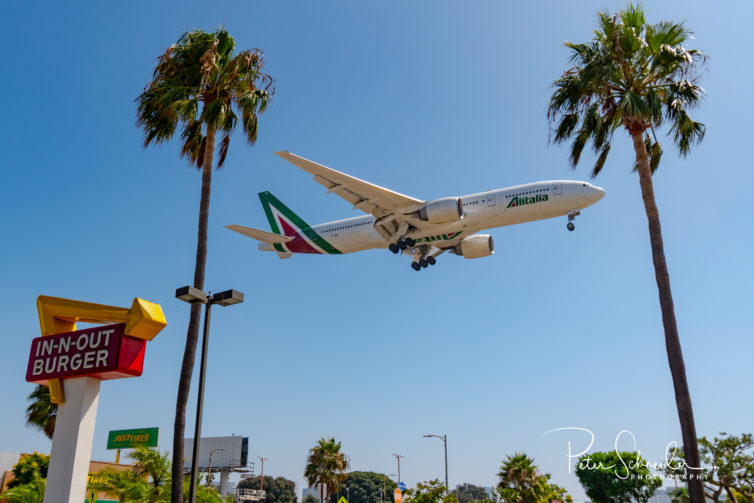
This was our view from our table while eating lunch at the In-N-Out Burger. Alitalia on short final.
Los Angeles International Airport (IATA: LAX, ICAO: KLAX), is renowned as a planespotter’s happy place. It boasts a seemingly endless stream of aircraft, many from airlines not often seen elsewhere in the U.S., along with several very good public viewpoints from which to watch them all parade past.
Occasional fare sales allow a weekend trip down the West Coast to be an accessible avgeek treat, so Francis Zera (AirlineReporter’s associate editor) and I grabbed a couple cheap seats and headed south.
There are several hotels very close to LAX. The runways are aligned east-west, with standard traffic flows arriving from the east; there are two parallel runways, separated by the airport’s terminal buildings. Off-site, there is a cluster of hotels to the east of the terminals, and this is where the H Hotel is situated. It seems purpose-built for planespotters, with an amazing roof deck that allows great views of arrivals on both of the airport’s runways.
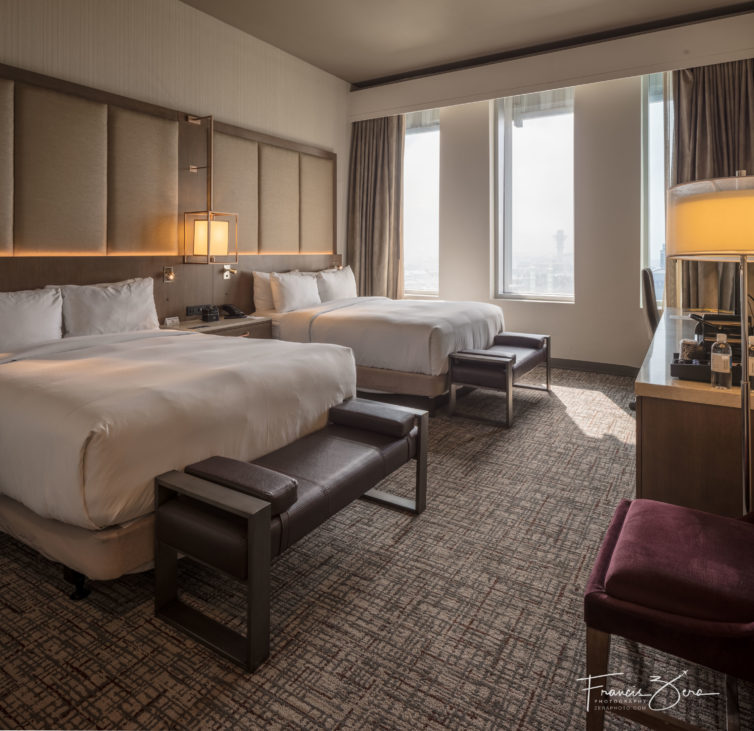
The rooms are really comfortable and well-appointed. Our room looked out over the iconic LAX sign and the control tower. We took this before messing it up with all of our photo gear.
The hotel’s official name is a mouthful: H Hotel Los Angeles, Curio Collection by Hilton. With no wait at the front desk, we were greeted with a smile, quickly checked in, and sent on our way to our room up on the 12th floor. The first impression of our room was that it was spacious with a very tall ceiling and spectacular views of the airport. Just like the room, the bathroom was also comfortable and had a nice-sized shower. The supplied shower amenities were also pretty nice we wound up smelling lots better than usual.
Getting back to photography, which is why we traveled to LAX in the first place, the hotel has a most excellent rooftop terrace on the 12th floor that provides great views to the north, west and east, with a peek-a-boo view to the south. The terrace is surrounded by five-foot glass barriers, and it has plenty of seating and tables. IMHO, it’s worth the price of the room just for the ability to spend time up there.
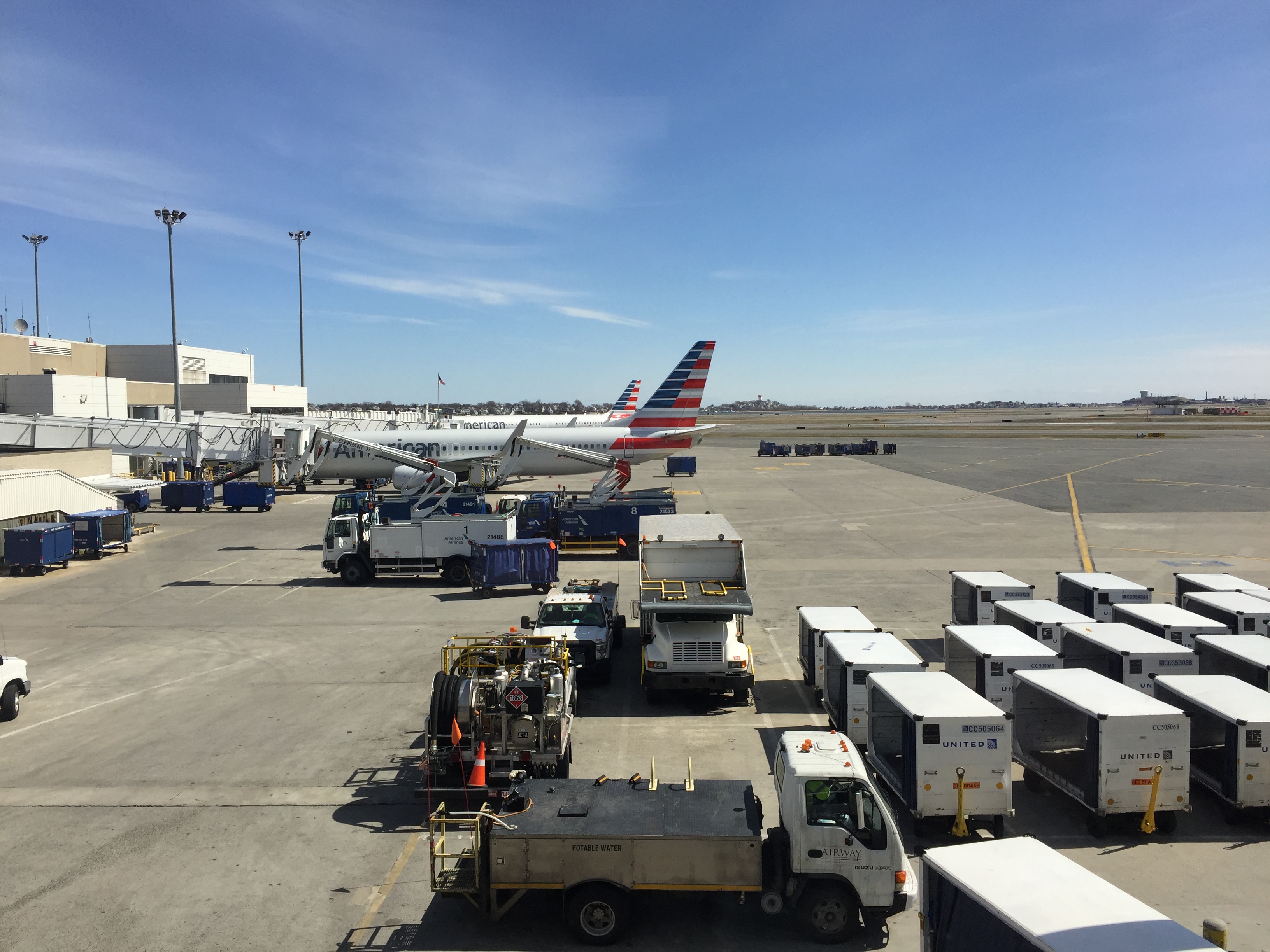
View of American’s terminal operations from the Boston lounge
One dubious perk of my choice to take the long way home and try American Airlines’ First Class offering was the opportunity to experience the Admirals Club lounges, American’s airport oases from the chaos of travel. I don’t get a lot of opportunities to check out the big international lounges like Hong Kong Airlines or Etihad has on offer, so I jumped at the chance to hit three different Admirals Clubs in a day.
First, for anyone whose travel itinerary involves a lot of layovers, the Admirals Clubs represent a great deal. A day pass costs $59, and is good across the American network. In my case, this allowed me to check into Boston for a couple of hours before my first flight, pop into the lounge in Charlotte for a quick refresher, then planespot in Chicago over appetizers.