The MD-11 was probably a bad idea. McAir came up with the aircraft because it was a bigger, meaner, DC-10. So much DC-10 that there originally was not going to be an MD-11, but a DC-10 stretch. There were two attempts at this aircraft: a DC-10-10 stretched by 40 feet, and a DC-10-30 stretched by 30 feet. Concurrently, McDonnell Douglas (McAir) was concerned about the range of the 747-SP and began work on an ultra-long-range DC-10 Global.
This research lead to an aircraft series called the DC-10 Super 60. The DC-10 Super 60 was going to be a series. A simple stretch, an ultra-long-range variant, and an aircraft optimized for both range and capacity. Unfortunately for McDonnell Douglas, the American Airlines 191 crash happened – summarily executing the DC-10 program. It did not help that there was economic malaise going on at the time, either.
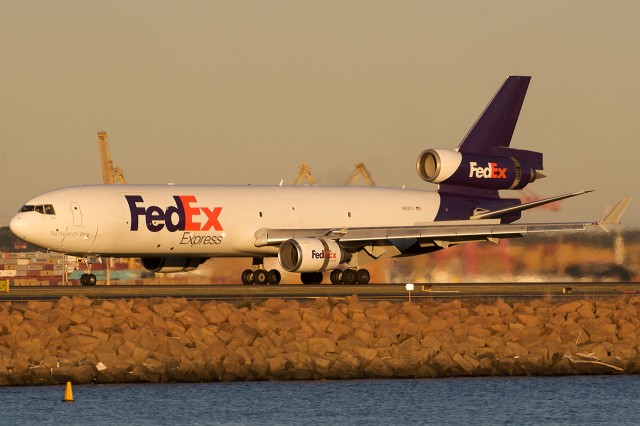
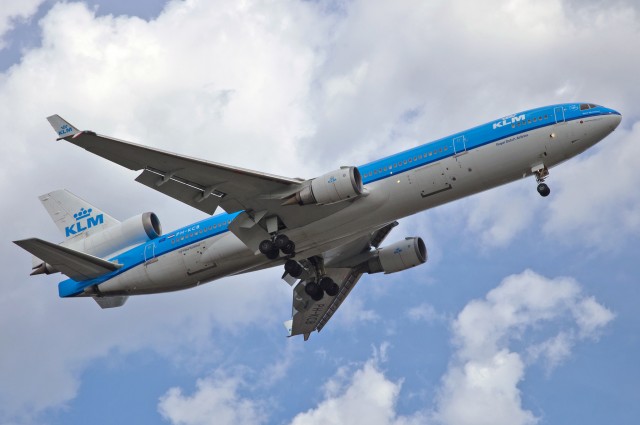
Many MD-11s have been converted to cargo duty. An example arriving at Kingsford-Smith Airport, Sydney. Photo – Bernie Leighton | AirlineReporter
Being the kings of iteration that they were, in 1981 they decided to revive the large trijet research. Leasing a DC-10-10 from Continental, they studied various winglet configurations in conjunction with NASA. For reasons of marketing, this project would be designated the MD-100. This was an interesting project as it actually offered more engine options than the final MD-11, in the form of the Rolls Royce RB.211. By November 1983, it was clear there was no interest in the MD-100. The board shuttered it.
You probably are aware that seeing tri-jets [those airliner with that third jet in the tail] is becoming a rarity, especially in the United States. Luckily for us AvGeeks, there are still quite a few cargo carriers [and a scheduled passenger airline] still flying these classic beauties.
Recently SpeedBirdHD shared a compilation video of tri-jets that still fly in and out of Los Angeles International Airport (LAX) on a daily basis. Hard to believe that someday these birds will only be found in a museum, but until then — enjoy!

FedEx’s first Boeing 767. Image: Boeing.
FedEx Express (redundant, right?) is the air freight branch of the shipping and delivery giant, operating a massive fleet of airliners. These include DC-10s (also referred to as MD-10s), MD-11s, 777Fs, and now, their brand-new Boeing 767-300F. At a fleet count of over 300 ’œmainline’ aircraft (those narrow and wide-bodies not operated by feeders), how big is FedEx as an airline? Bigger than British Airways, Lufthansa, Emirates, ANA, Qantas, or US Airways. With a 50-plane backlog on the 767-300F, FedEx is taking drastic steps to modernize their fleet in the name of fuel efficiency and reliability.
The years of experience Boeing has in building and refining the 767 line has resulted in an airframe that satisfies the cargo mission very effectively. The 767-300F is based upon the 767-300ER passenger variant, with its upsized range, MTOW, and fuel capacity. FedEx expects a 30% fuel burn reduction compared to the DC/MD-10 models the 767-300F is replacing.
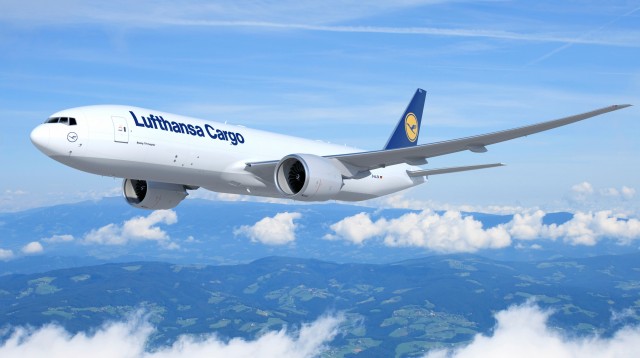
A Rendition of what a Lufthansa Cargo Boeing 777F will look like – Photo: Lufthansa Cargo
Two years ago an interesting order was placed with Boeing. One that might have slipped under the radar for most. This order didn’t really make all too many waves in the AvGeek world and to be honest, I didn’t even realize it myself till I was tipped off by a fellow AvGeek.
In March 2011 Lufthansa Cargo put in an order for five 777 freighters and this spurred a large amount of curiosity since it did not seem like the ideal choice to replace their aging fleet of 18 classic MD-11 aircraft.
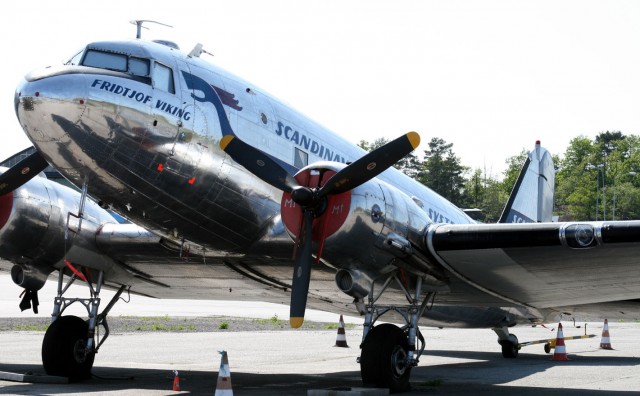
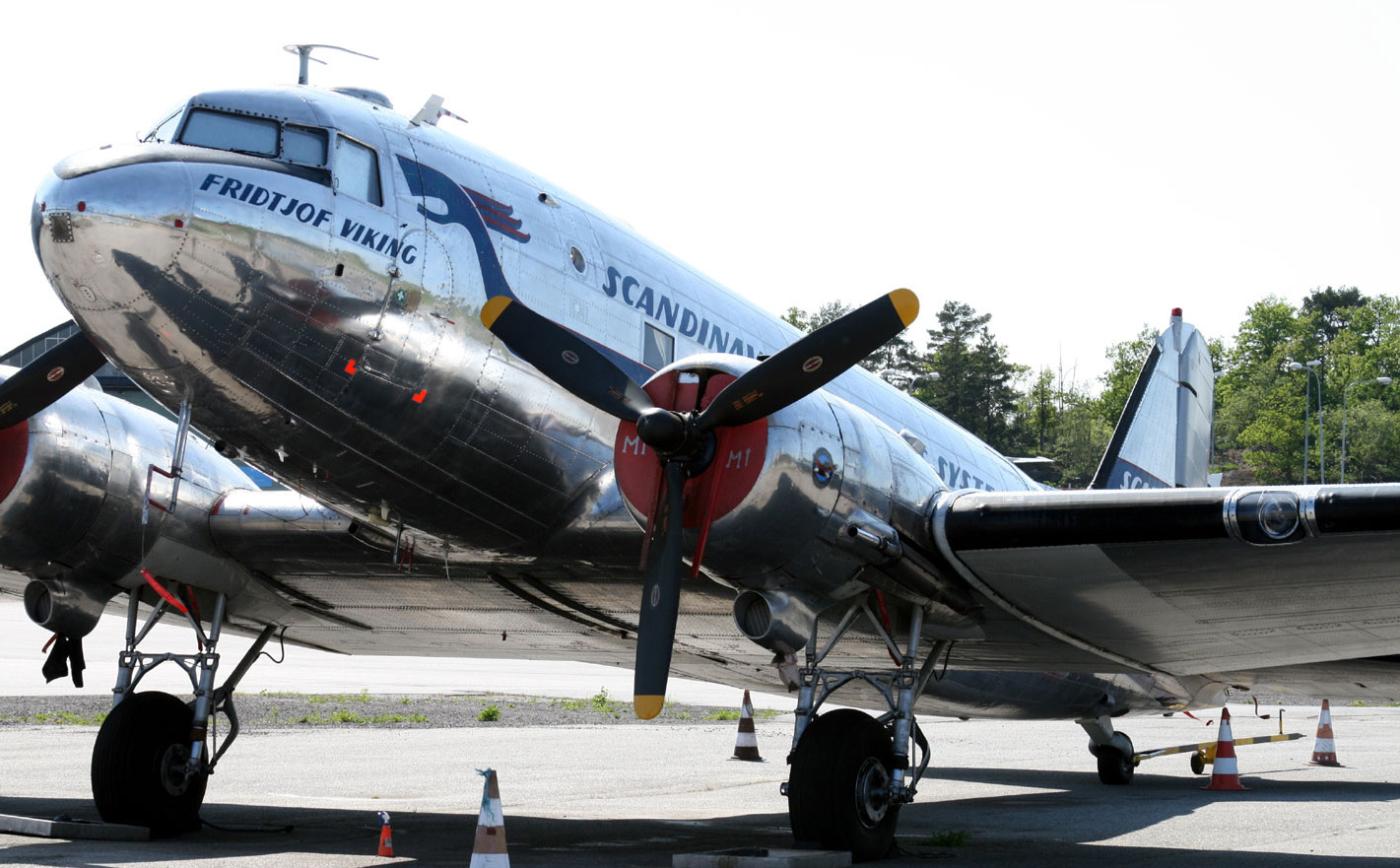
Scandinavian DC-3. Photo by Matt Falcus.
This is a guest post by Matt Falcus. He is an author of the popular Airport Spotting Guides series, and runs the blog AirportSpotting.com which helps aviation enthusiasts make the most out of their hobby with airport, airline and aircraft news and spotting information.
With yet another series of enthusiast’s trips to North Korea recently announced by specialist operator Juche Travel, the demand for flying on historic and rare aircraft types is big business amongst aviation geeks.
I’m sure I don’t need to remind you that classic jets and props are now very much a dying breed, replaced by the modern aircraft produced by Airbus, Boeing and other manufacturers. We can’t deny the fantastic advances in today’s aircraft, but neither can we deny that it’s not quite the same as the old days.
If you’re lucky enough to see first generation Boeing and Douglas aircraft in action today, chances are it’s with a cargo airline. But with a bit of research, it might surprise you to learn that there are still opportunities to fly on older jets, props and Russian types ’“ opportunities which won’t last for long.
It is well documented that there is only one airline still flying the Boeing 707 in passenger services, and many enthusiasts have made the journey to Iran to take a flight. The operator, Saha Air, operates the type on domestic services, however it is upgrading its fleet, meaning and the chances of flying a 707 are rapidly diminishing.

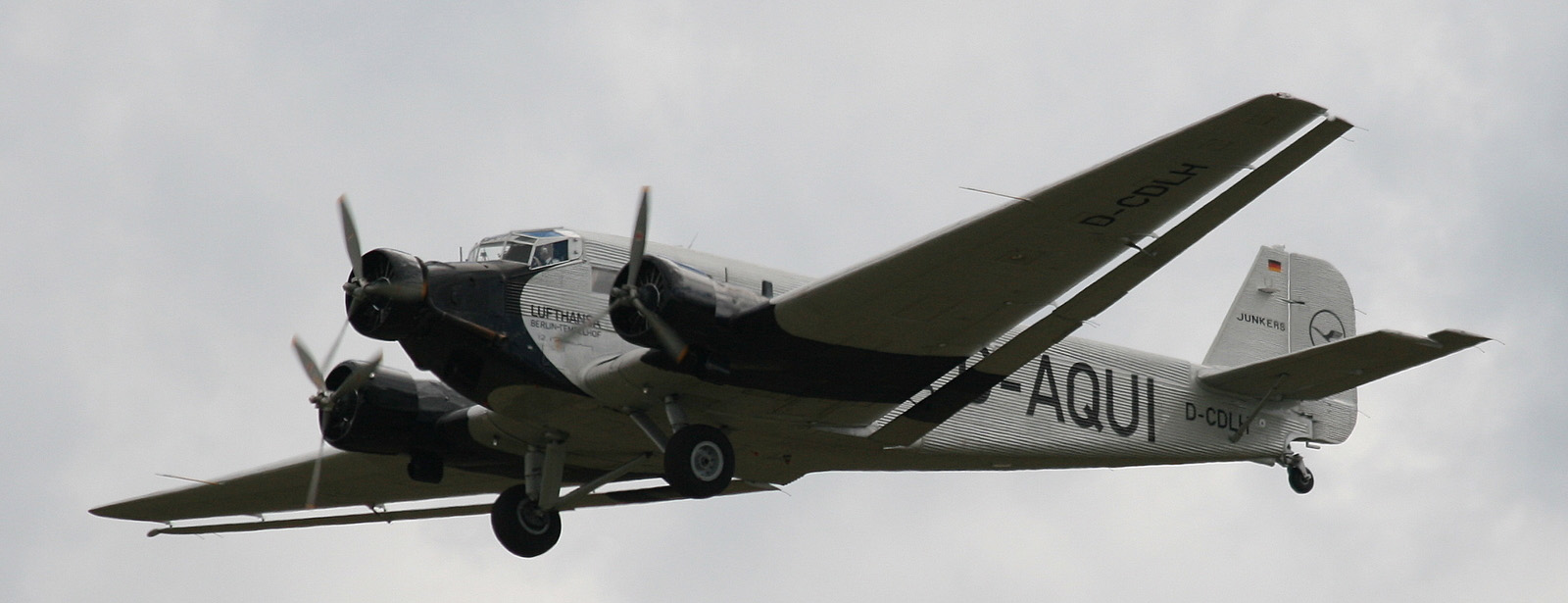
A Lufthansa Junkers J 52 (D-AQUI). Photo by Matt Falcus.
The Boeing 727 can today only be found flying passengers in Africa, Iran and Afghanistan. Perhaps these sound like unlikely destinations, but when you consider that they are flown into Dubai on a daily basis, it makes the chance of flying on a short hop to Tehran and return quite feasible.
Even early Airbus products, which you might consider to be relatively modern ’“ namely the A300B2 and B4 models ’“ are now only operated by Iranian airlines.
Canada is a relatively easy place to find a number of rare types still flying passengers, and much easier to travel to for those in the USA. TV shows such as Ice Pilots NWT have highlighted Buffalo Airways and their DC-3 ’˜sked’ service. But did you know airlines in Canada also fly some of the world’s last commercial Convair 580, DHC-7, and Hawker Siddeley HS.748 services?

Dragon Rapide by Matt Falcus.
When it comes to Russian airliners, the chance of catching them are running out fast ’“ particularly with the Tupolev TU-134, which has recently been banished from Russia’s airlines. However, organized trips to North Korea are now regularly organized by Juche Travel Services which are targeted at aviation enthusiasts. These offer trips on Air Koryo’s Ilyushin IL-18, IL-62, IL-76, Tupolev TU-134, TU-154, TU-204, and Antonov AN-24. Needless to say you’d be hard pressed to organise flights on each of these types so easily elsewhere.
In Europe you can find some rarities, including the last passenger British Aerospace ATP operator, Next Jet. This airline operates the type on domestic services from Stockholm, Sweden ’“ a pilgrimage I recently made, after missing out on flying the ATP in my native UK.
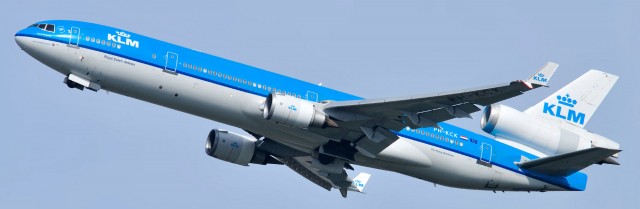
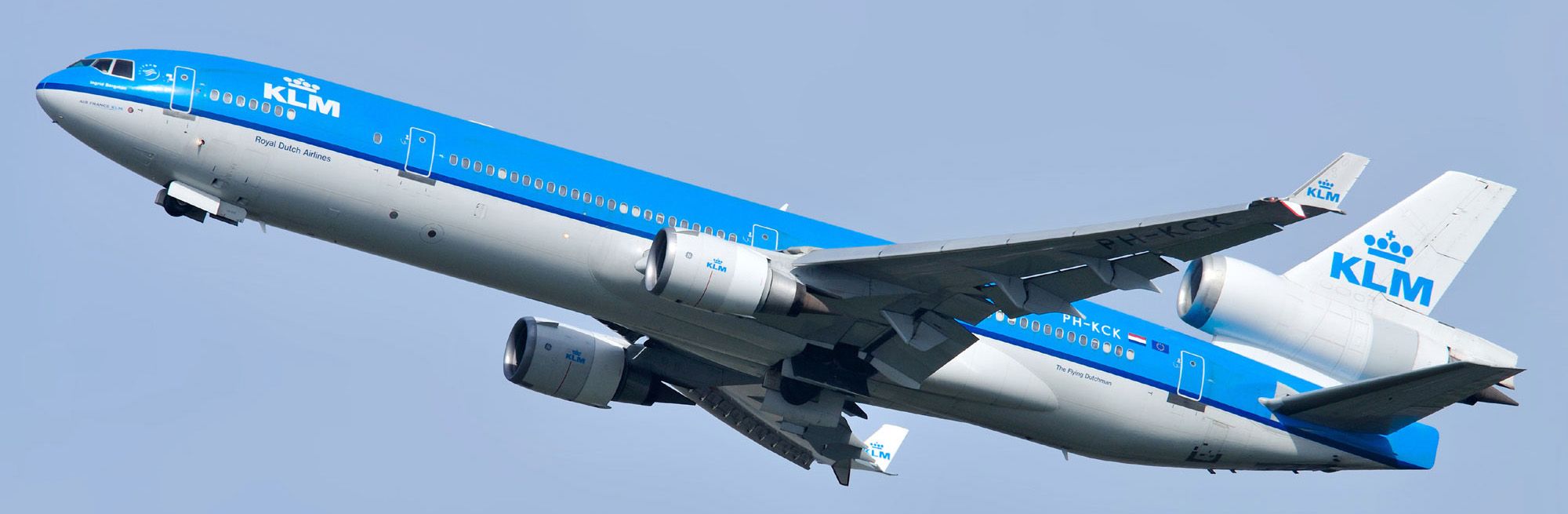
Classic tri-holder, the MD-11. Photo by Matt Falcus.
One of the most recent types to feature on the endangered list is the McDonnell Douglas MD-11. Anticipated as having massive potential as the natural successor to the DC-10, its debut was as recent as 1990, but today only KLM Royal Dutch Airlines still operates the type in scheduled passenger service. If you haven’t flown the MD-11, you’d better head to Amsterdam soon as the airline has already begun retiring the type and is expected to complete this in 2013.
Finally, when it comes to even older airliners from the early 20th century and wartime periods, there are a number of specialist operators in Europe, Australia, New Zealand, South Africa and the USA still keeping these types alive. For the de Havilland Dove, look up LTU Classik in Dusseldorf. If you want to fly a DC-4, Skyclass of South Africa have an example flying tourists. For the Ford Tri-Motor, look no further than the EAA Museum at Oshkosh, WI. For a Junkers Ju52, there are examples flying in Germany and Switzerland.
For full details on the rarest and most historic airliners still flying passengers, including details of the airlines and countries still flying them, check out my new eBook ’“ Last Chance to Fly.