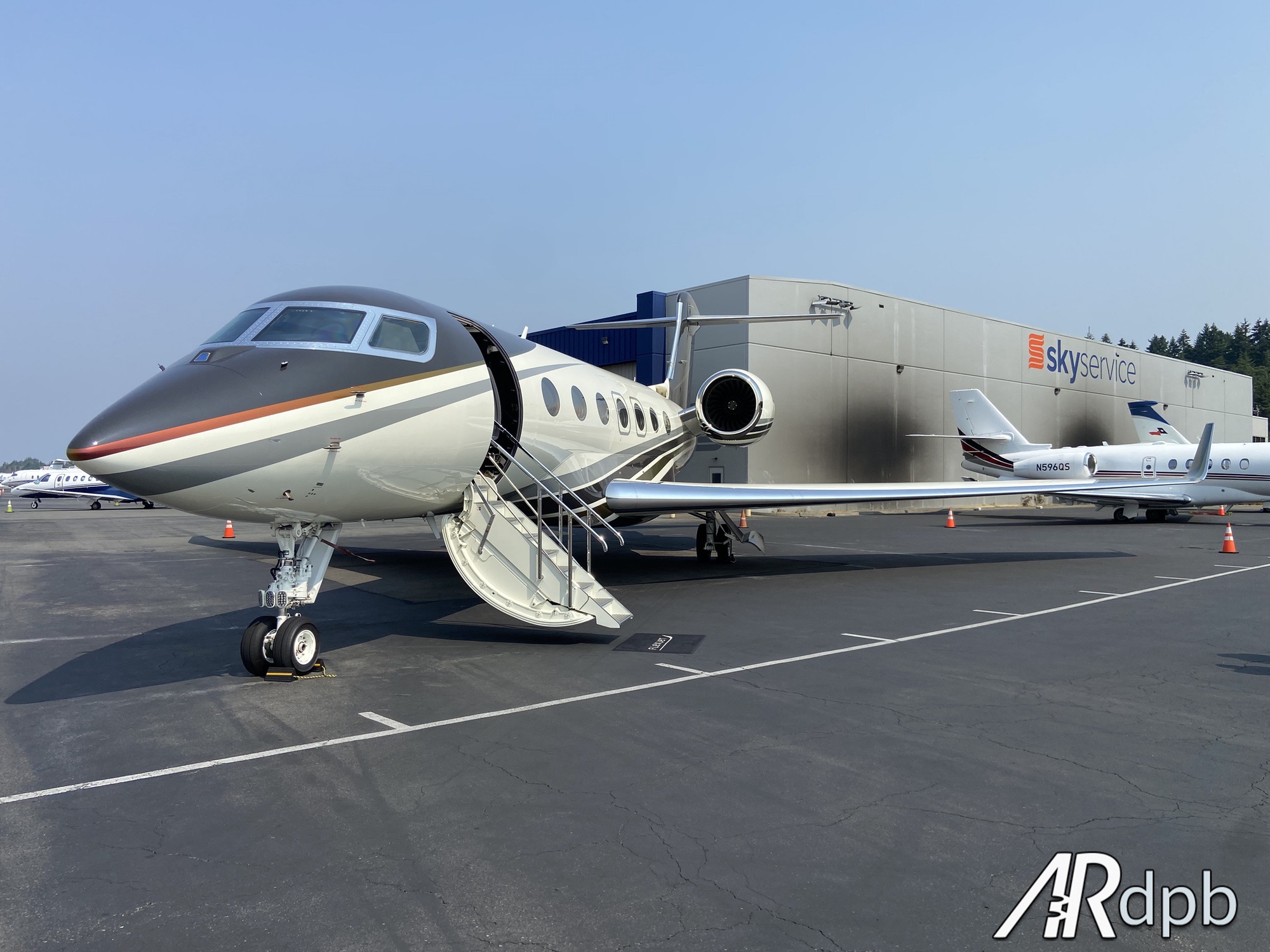
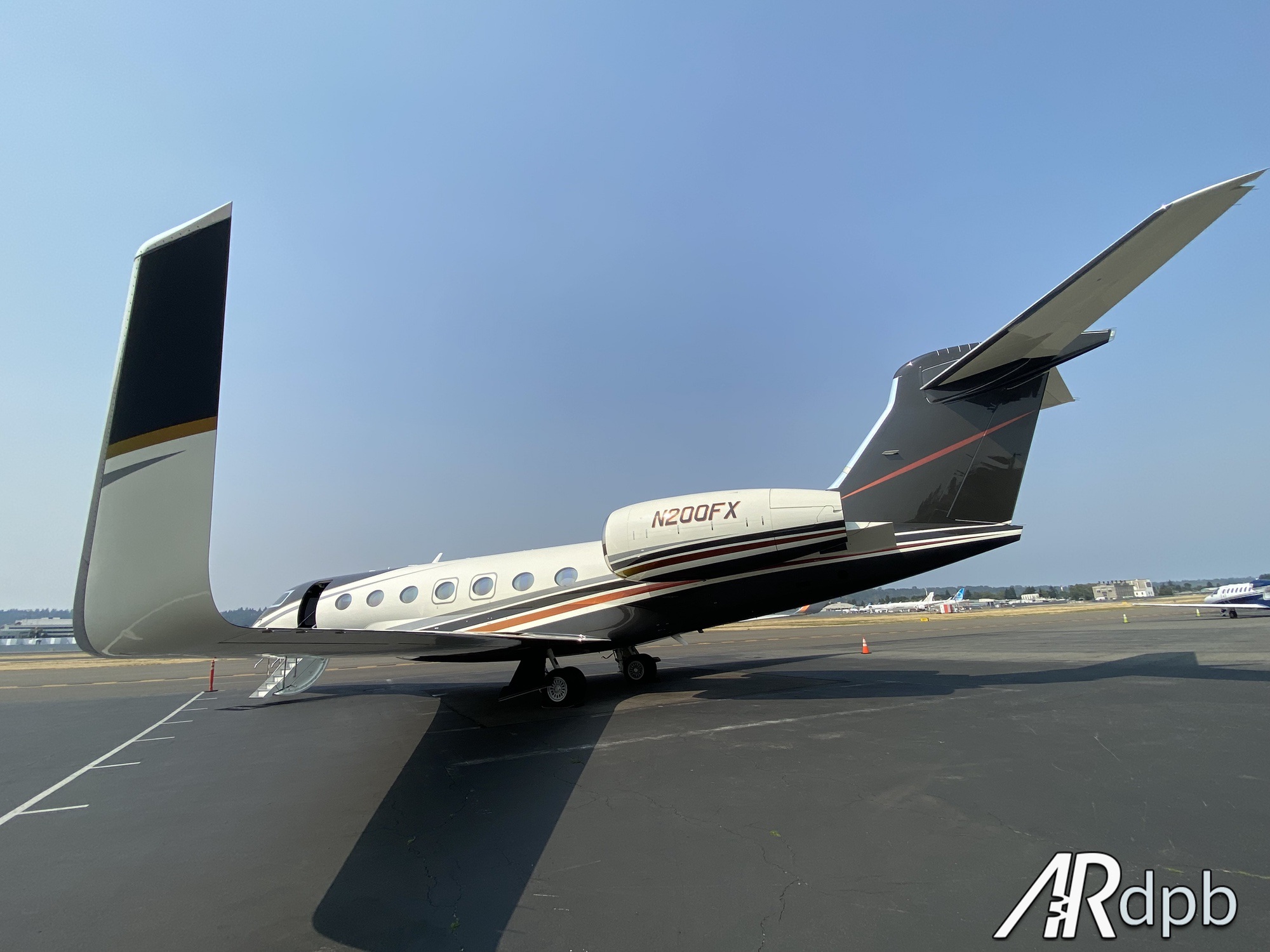
When Flexjet recently reached out asking if I would like to tour their first Gulfstream G500 (N200FX), how could I refuse? I tried to act cool, but of course I was giddy to have the opportunity to check out one of the most premium private jets on the market today (I guess the cool kids are calling them “PJs”).
N200FX sitting on the tarmac at King County International Airport (aka Boeing Field)
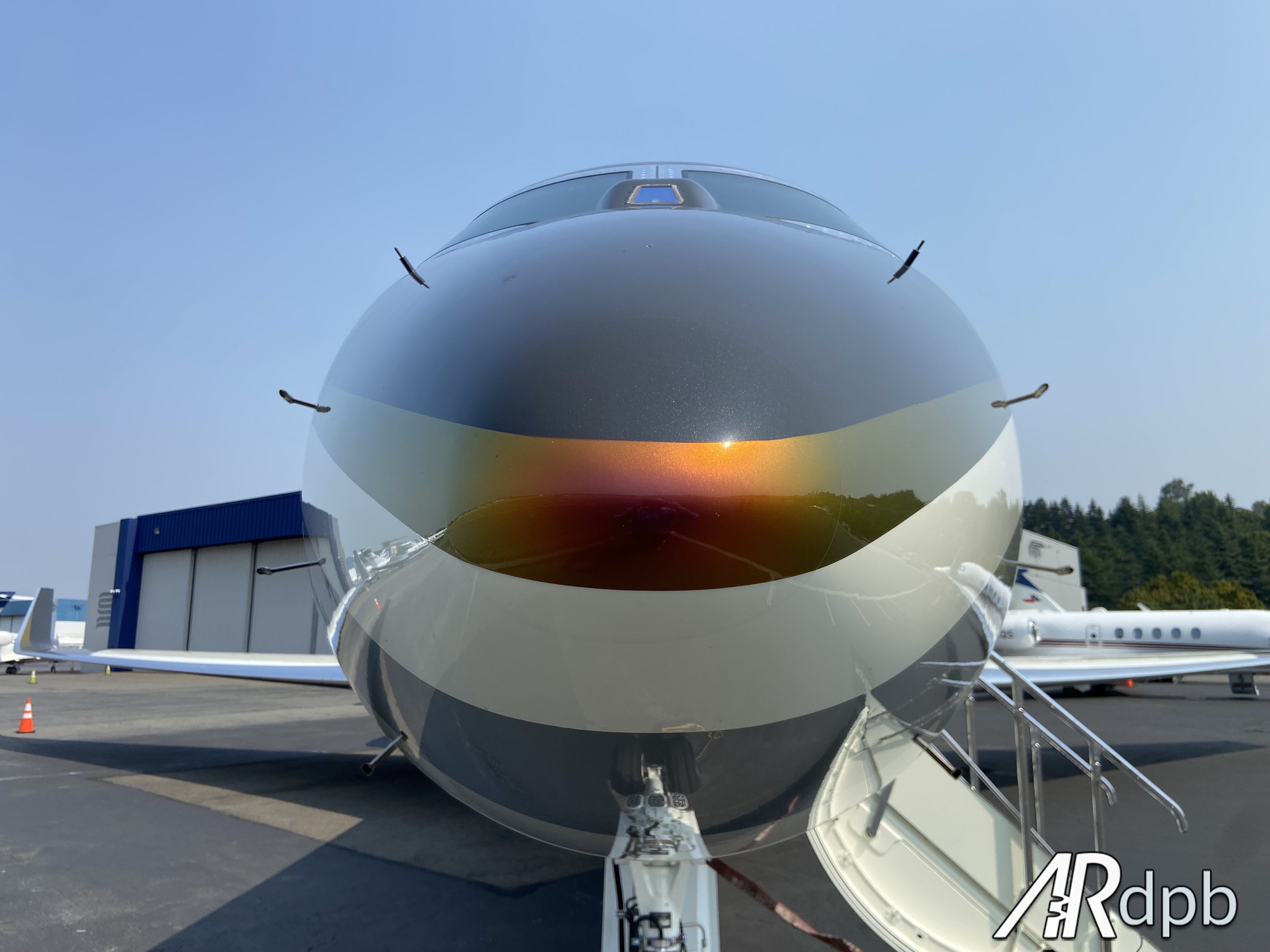
You can see the color change paint from orange to green
I met up with the Flexjet representatives at the FBO at King County International Airport (KBFI) and we walked out to the tarmac where N200FX awaited us. Of course there was no security, no lines, we just walked out to the plane when we were ready to go. I have to say that Flexjet has a beautiful livery and the fact that part of its paint design has “chameleon” paint that changes color depending on the sun’s angle, made it all that more special.
After spending some quality time with the outside of the G500, I was delighted to board and check out the interior firsthand!
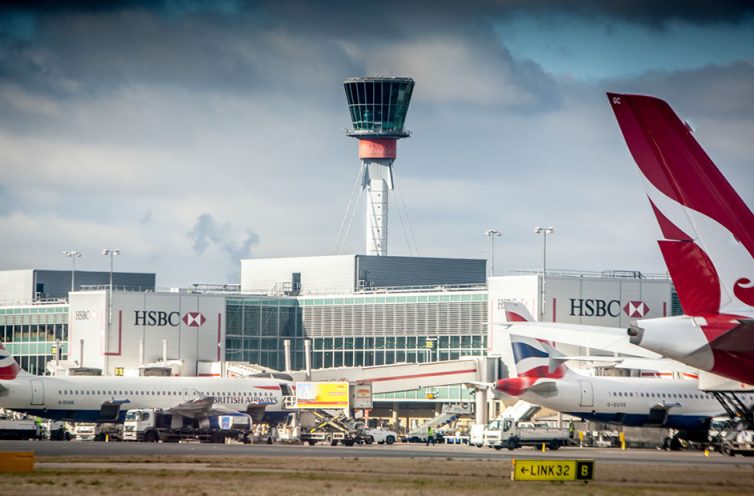
From Heathrow With Love – Photo: Alastair Long | AirlineReporter
Last month, I attended an ultimate behind-the-scenes airport tour, courtesy of London’s Heathrow Airport (LHR). LHR’s Digital Communications Manager, Chris Loy, welcomed a select group of aviation publications to showcase its daily operations and on behalf of AirlineReporter I was thrilled to be a part of it.
Control Tower – Photo: LHR Airports Limited
I always enjoy traveling through LHR, especially Terminal 5 (T5), and revel in what is generally a calm and serene travel experience. This is despite handling more than 75 million passengers and about 1.5 million tons of cargo (the non self-loading variety) per year.
I compare this to the utter chaos that is London’s Luton Airport (LTN) while they undergo extensive construction, or the holiday-maker maelstrom that is Gatwick Airport (LGW) during the summer. That said, I have never transited through LHR. Nor have I ever suffered from any extensive flight delays at the airport.
“Yes, transiting is an operational challenge at Heathrow,” remarks LHR Filming Coordinator and Airside Safety Officer, Joe Audcent. “The airfield is just so big from one end to another.” Chris and Joe would be our intrepid tour guides and I was looking forward to learning more about my hometown airport.
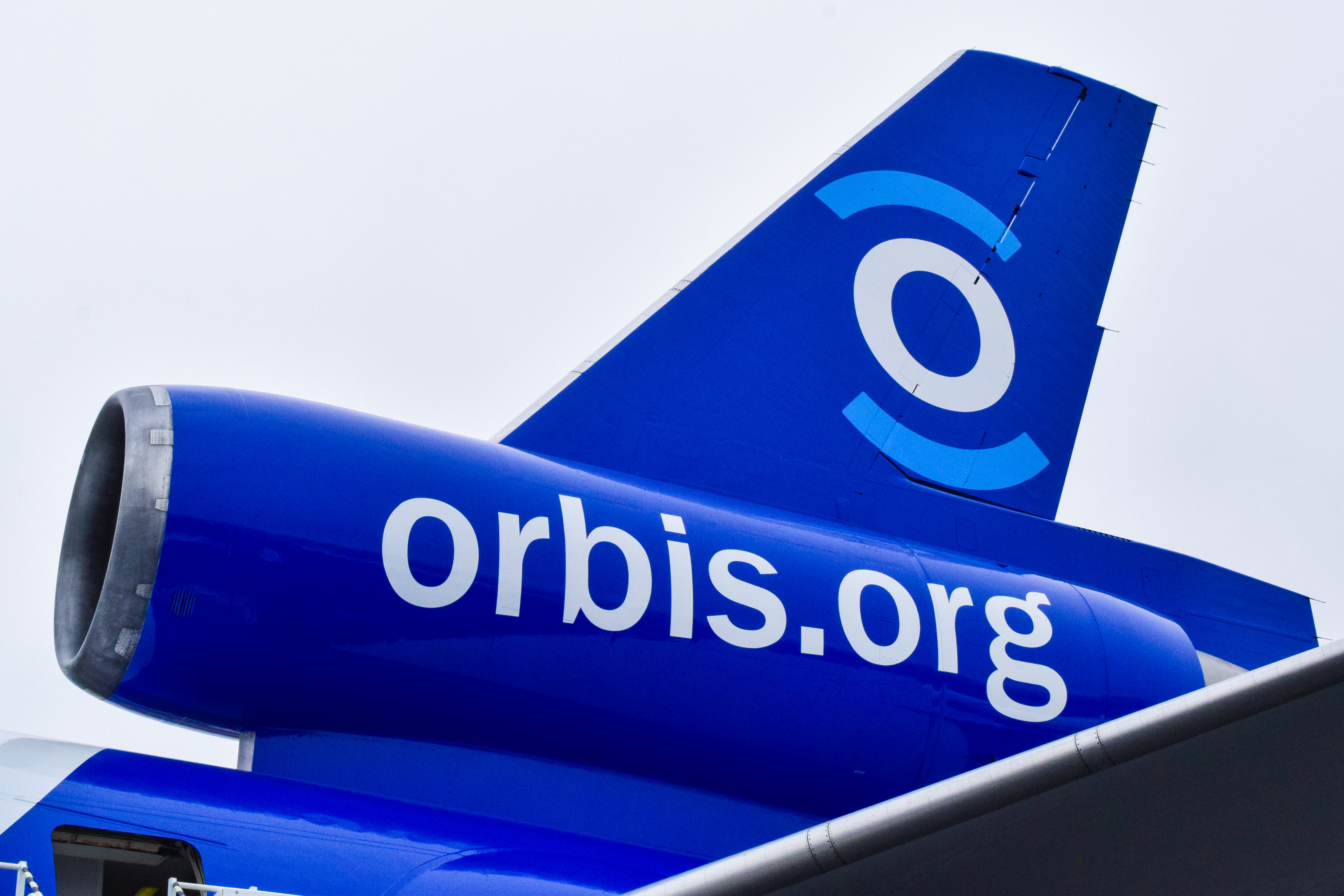
Engine No. 2/vertical stabilizer (“the tail”) of the Orbis MD-10-30F Flying Eye Hospital (N330AU) – Photo: John Nguyen | AirlineReporter
On June 2, Orbis International launched their new, third-generation “Flying Eye Hospital” on board a converted MD-10-30F donated by FedEx. Orbis is a non-profit non-governmental organization (NGO) that aims to provide advanced eye care and medical training to communities throughout the world without access to such facilities, technology, and expertise… literally bringing the hospital to patients and caregivers who need it the most.
I was invited aboard for a special private tour to see this mobile hospital for myself and learn about more its history, design, and purpose, and I created a short video slideshow of highlights…
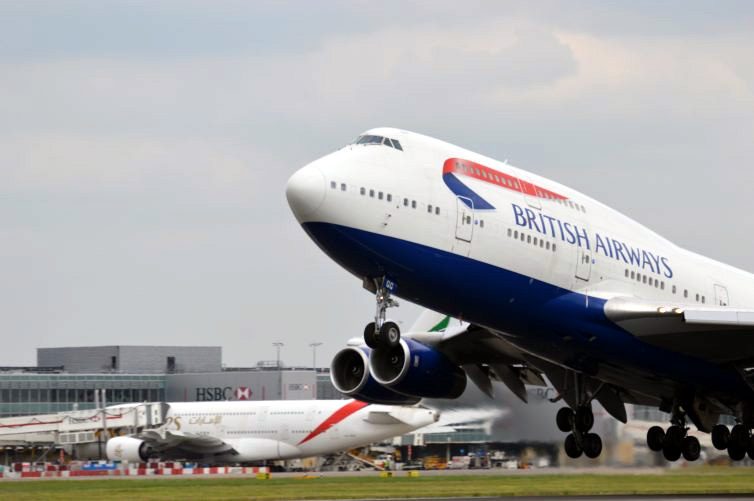
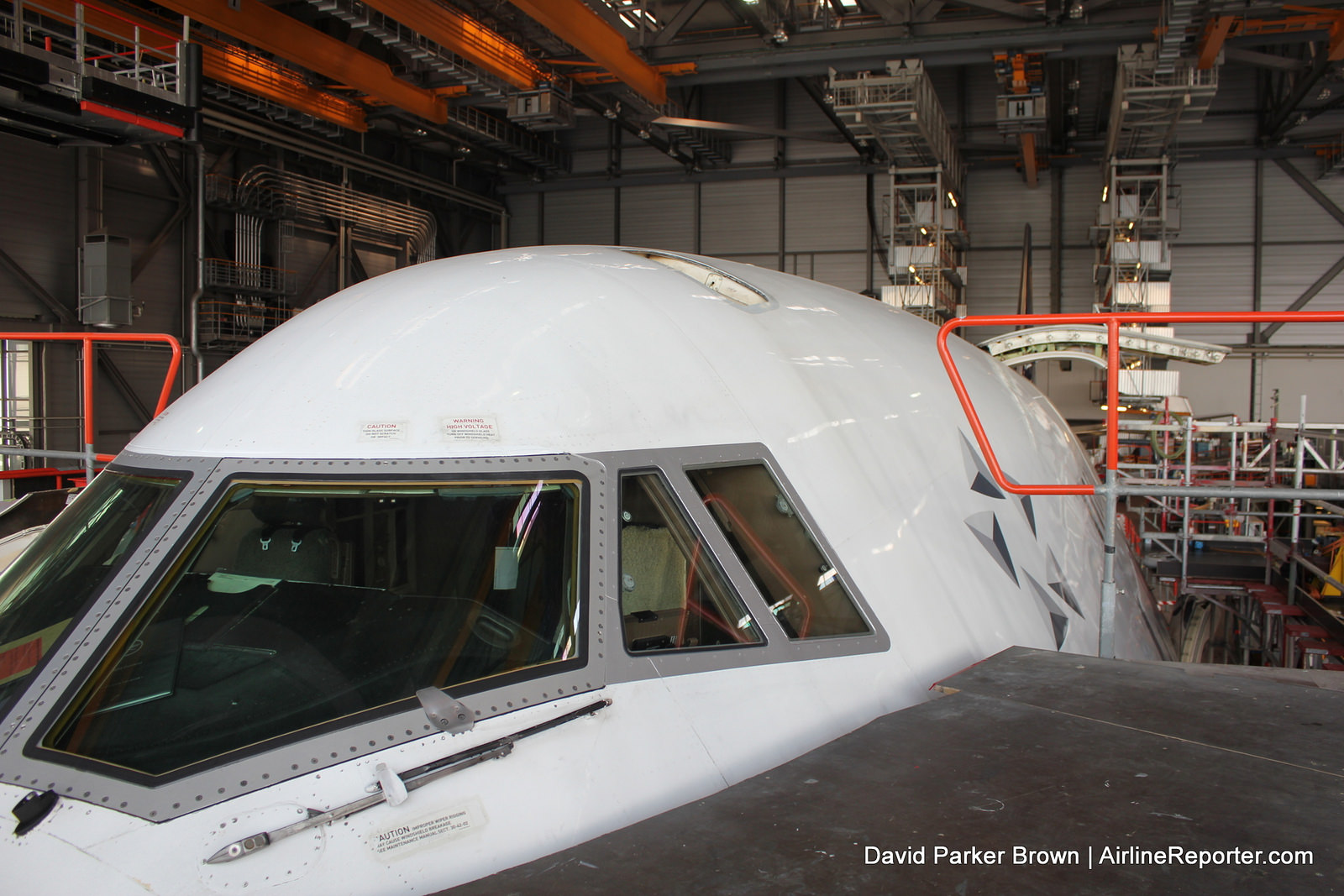
Not an angle that one sees often of a Boeing 747-400
“We actually don’t do that work here. For that kind of thing, we have to ship it out to Lufthansa Technik in Germany.” If you talk to a great number of airline maintenance employees around the world, you’ll probably hear that line a few times. Many airlines are capable of doing their own aircraft maintenance, but few locations in the world take MRO (Maintenance, Repair, and Overhaul) to the level Lufthansa Technik does.
Airlines around the world send their aircraft to Technik for jobs ranging from a mandatory C check to a nose-to-tail cabin refurbishment. Recently, I was invited to tour Technik’s facilities in Hamburg, Germany, which is just one of their multiple full-service locations around the world.
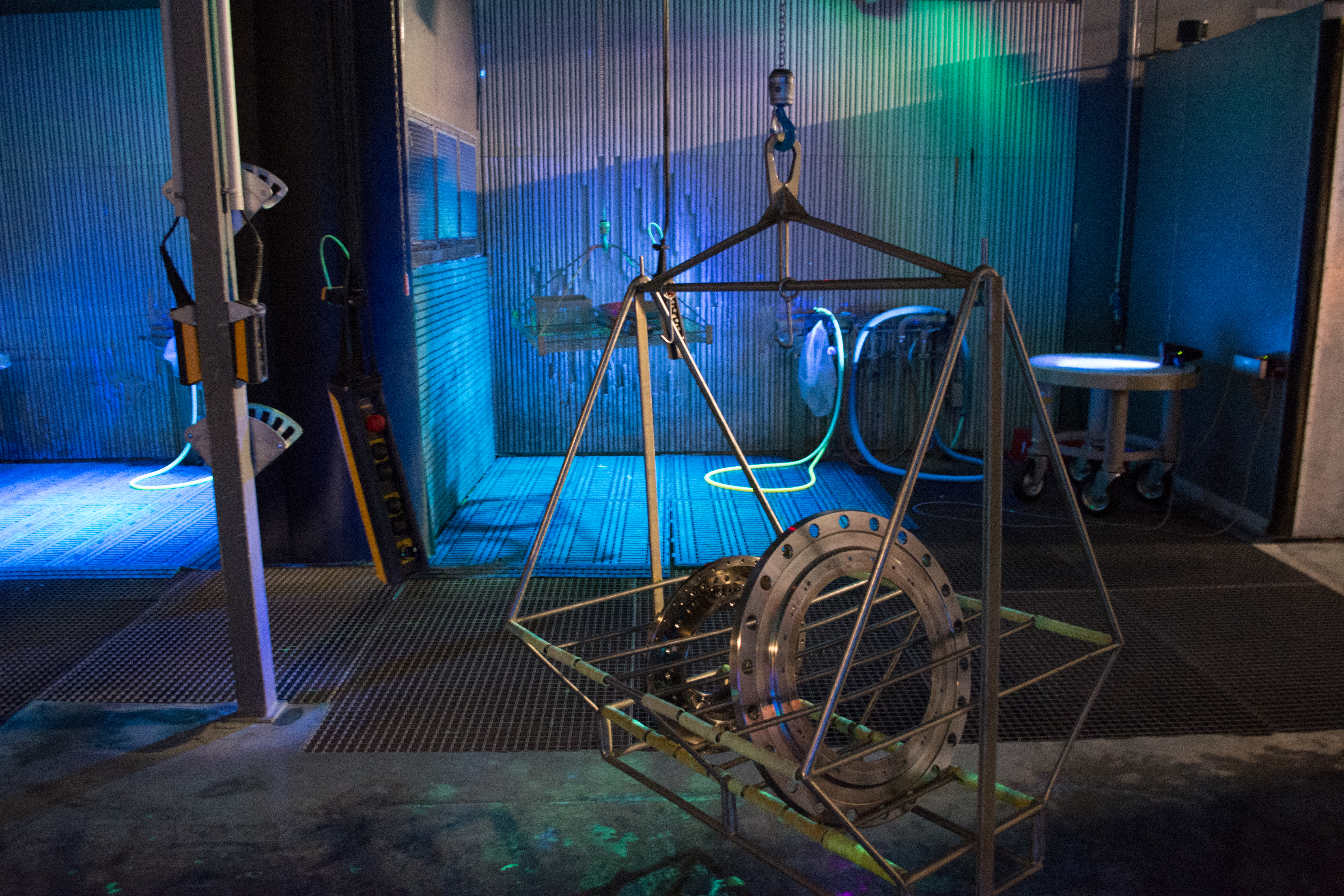
One of the black light inspection areas in Lufthansa Technik Engine Shop – Photo: Jason Rabinowitz
Our first stop on the Engine Services center. Engines are, by far, some of the most expensive parts on any aircraft. Most airlines perform only minor maintenance on their engines, but in the Engine Services center, several engines were completely torn down for a total rebuild.
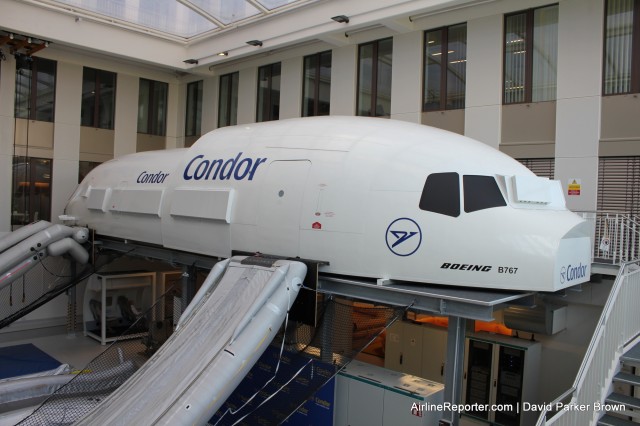
No matter the size of an airline, they need to provide safety training for their flight attendants. There will be training provided to new hires, as well as reoccurring training for current employees.
It is an important part of making sure an airline operates safely and the more realistic of a training that an airline can provide, the better prepared their flight attendants are going to be to react to an emergency scenario.
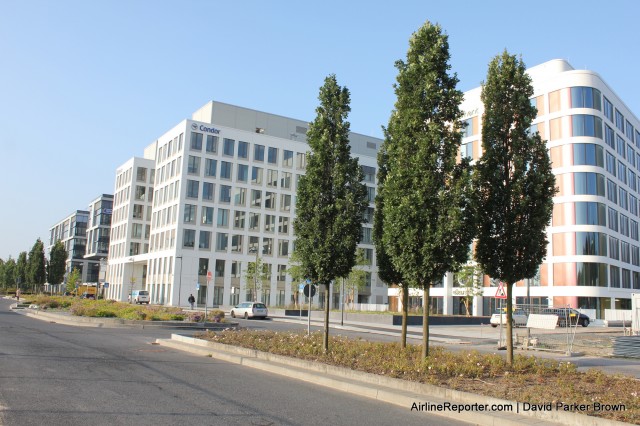
Condor’s headquarters is located next to FRA
Recently, I had the chance to get an up-close look at how Condor Airlines manages their flight attendant training at their headquarters in Frankfurt, Germany. I was a bit surprised with some of the things that I learned and how hands-on I was able to get.