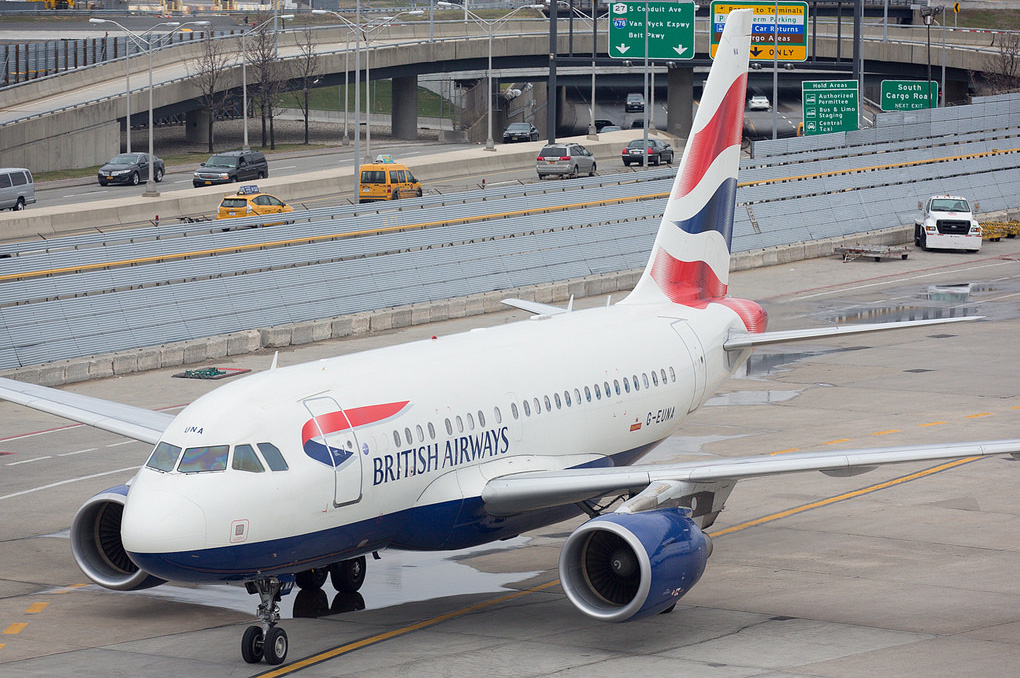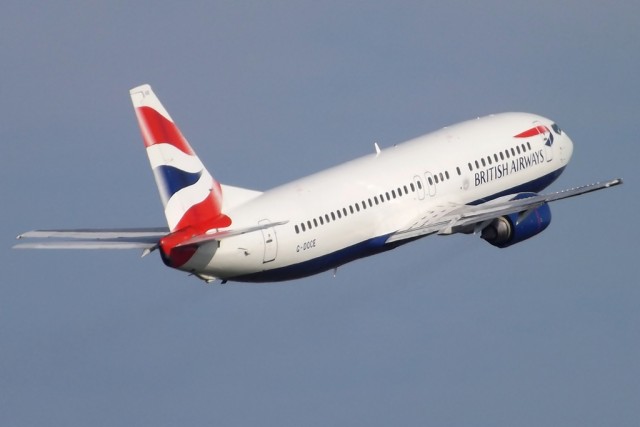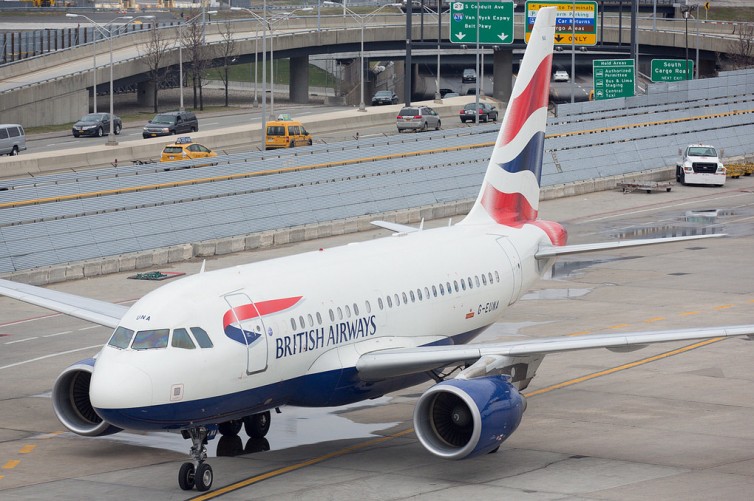
One of the British Airways Airbus A318s at JFK – Photo: Jeremy Dwyer Lindgren | JDLMultimedia
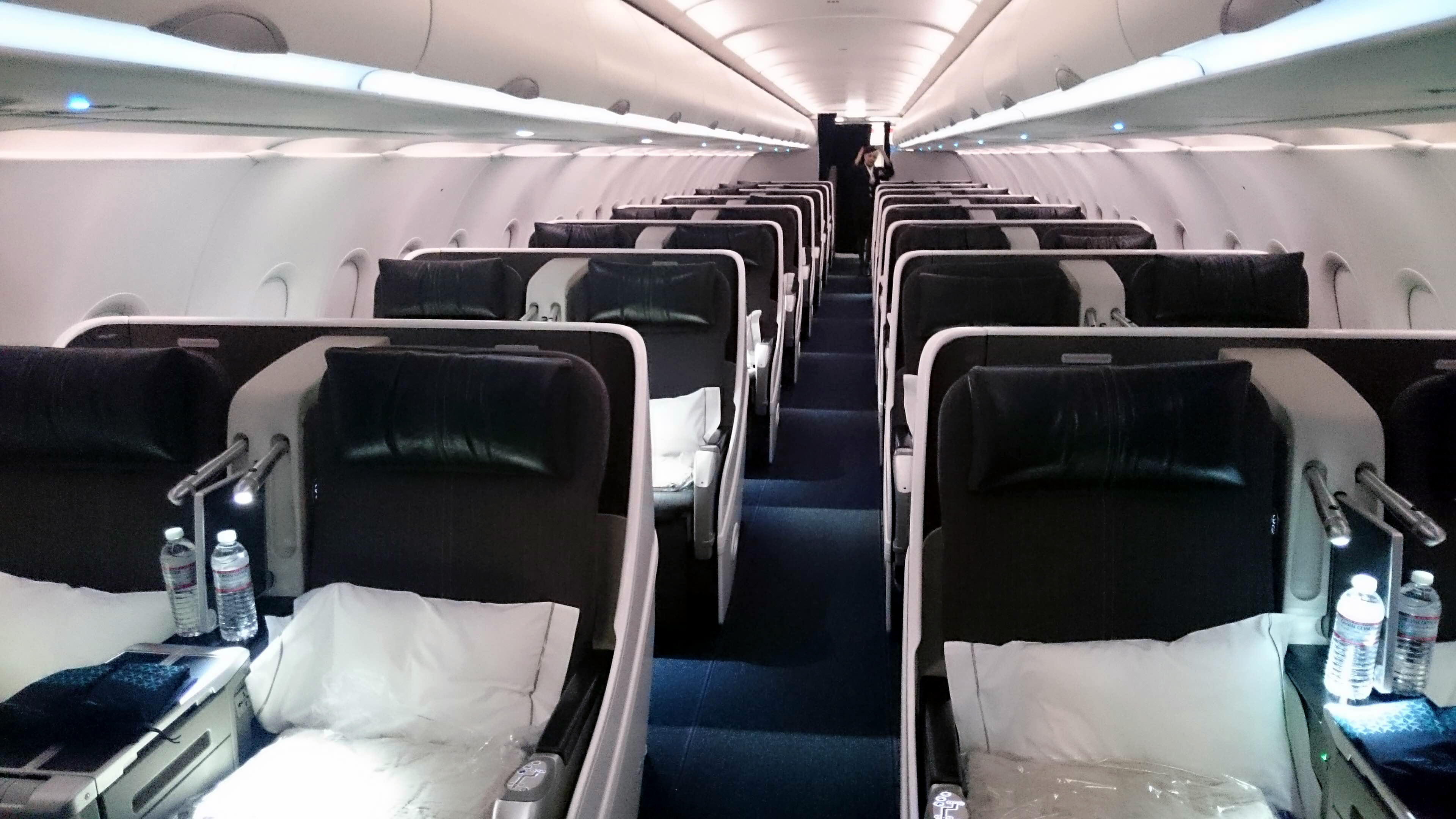
When it comes to long-haul flying, typically the bigger the aircraft the better. Whether it’s the Boeing 747 or Airbus A380, these are the aircraft typically associated with extreme luxury – private suites, on-board showers, and maybe even a fully stocked bar. Sometimes, though, smaller might actually be better. British Airways operates a pair of tiny Airbus A318s between New York JFK and London City Airport (LCY) with a business class-only configuration featuring only 32 seats (by comparison, Air France carries 131 passengers on their A318s). It sure is a strange (but great) way to fly. To give you a sense of just how small the A318 is, here are some numbers to help size it up: The Airbus A380 sports a total length of 238 feet with a 261-foot wingspan. The A318 is just 103 feet long with a wingspan of just under 112 feet.
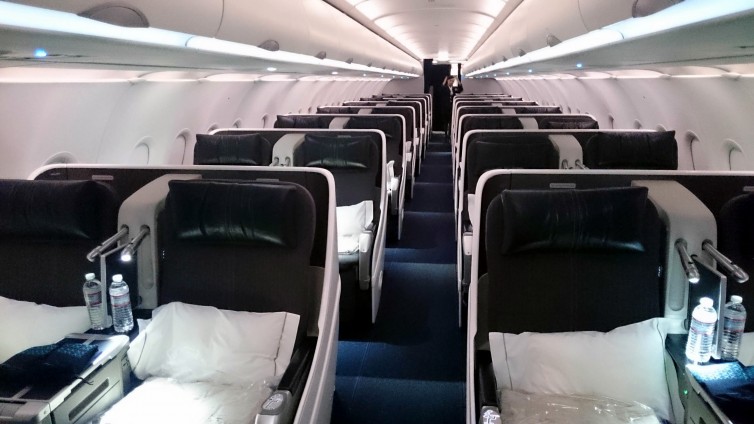
The British Airways A318 cabin only has 32 seats – Photo: Jason Rabinowitz
I was recently able to fly from JFK to LCY and experience what it’s like flying into London on the A318. Spoiler: It’s wonderful and actually quite a different experience. While the London to New York flight involves a stop in Shannon, Ireland for fuel, the reverse flight is non-stop.
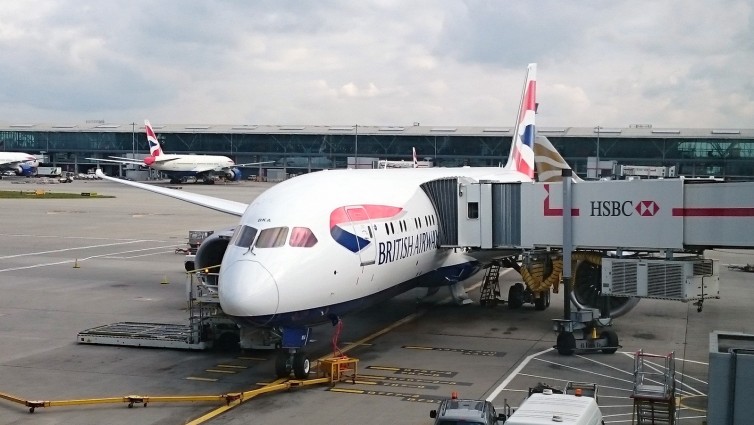
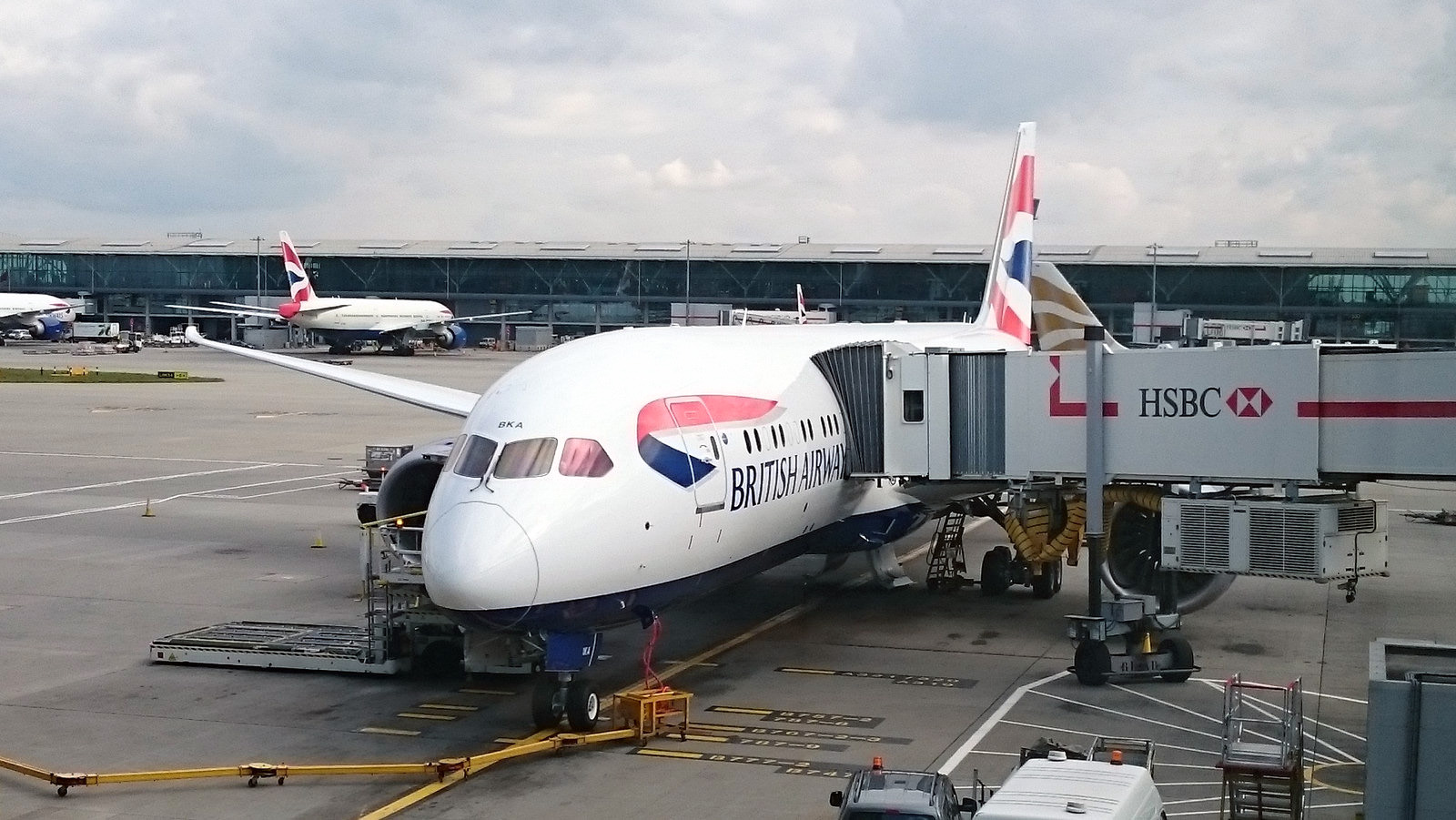
My British Airways Boeing 787-9 Dreamliner in London – Photo: Jason Rabinowitz
International first class is something special. It’s something that very few people will ever be able to pay for, but for those putting down the cash, they expect an experience beyond anything else available.
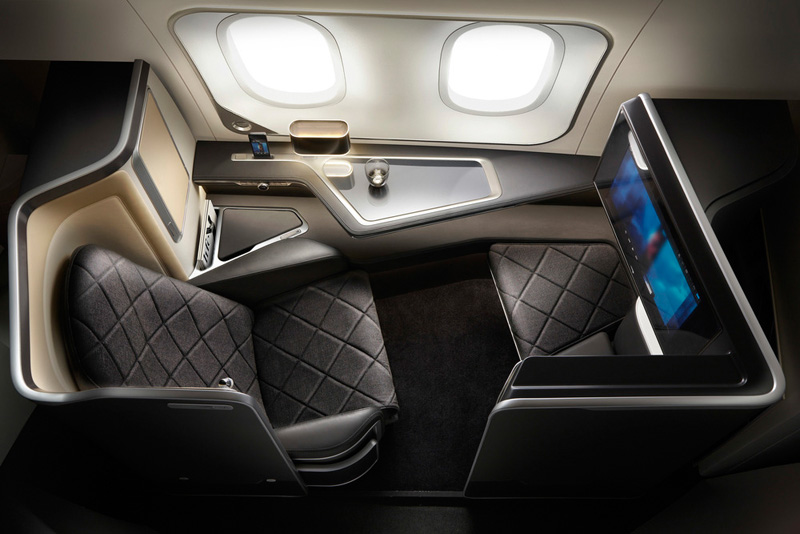
British Airways skipped a first class option on its Boeing 787-8 Dreamliner deliveries, but with the 787-9, it decided to give their well-liked first product a bit of a refresh. The global first class market is quite competitive. Many airlines have totally given up on it, while others keep trying to offer the biggest, best, and most expensive options. In a world of apartment-like products, showers, bars, and full private suites, I wondered how British Airways now stacks up. The end result is one of the nicest seats that I have ever had the pleasure of flying in.
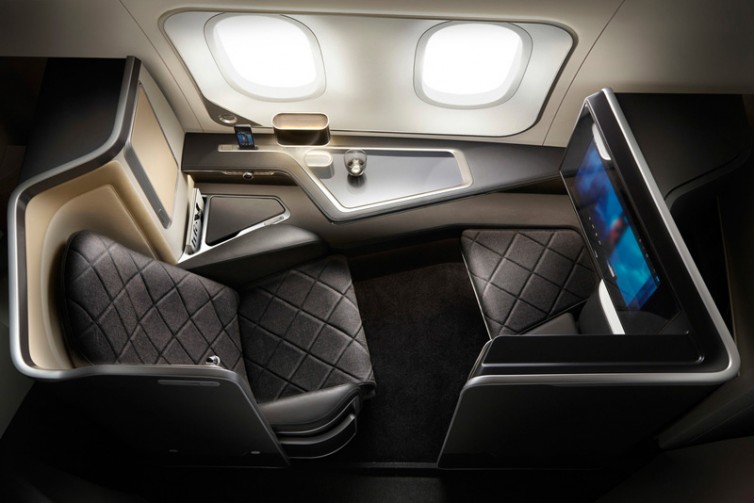
The British Airways first class product on their Boeing 787-9 Dreamliner – Photo: British Airways
My experience began at London’s Heathrow Airport (LHR) with a visit to the Concorde Room. British Airways has multiple lounges at Heathrow, but the Concorde Room is something more exclusive. It is reserved only for passengers flying intercontinental first class on the airline, and affords passengers extra niceties and amenities. One of the most interesting perks is what it calls a Cabana. The Cabanas are little private rooms within the lounge, where passengers can shower, take a nap, or simply watch television. While airports can be super stressful, this was the exact opposite. We were already off to a great first class start!
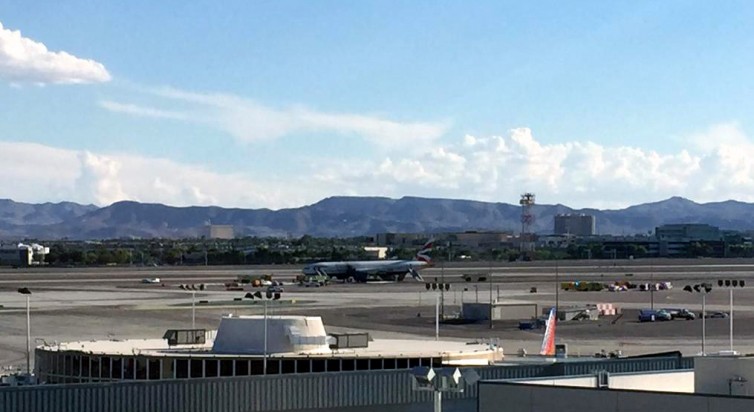
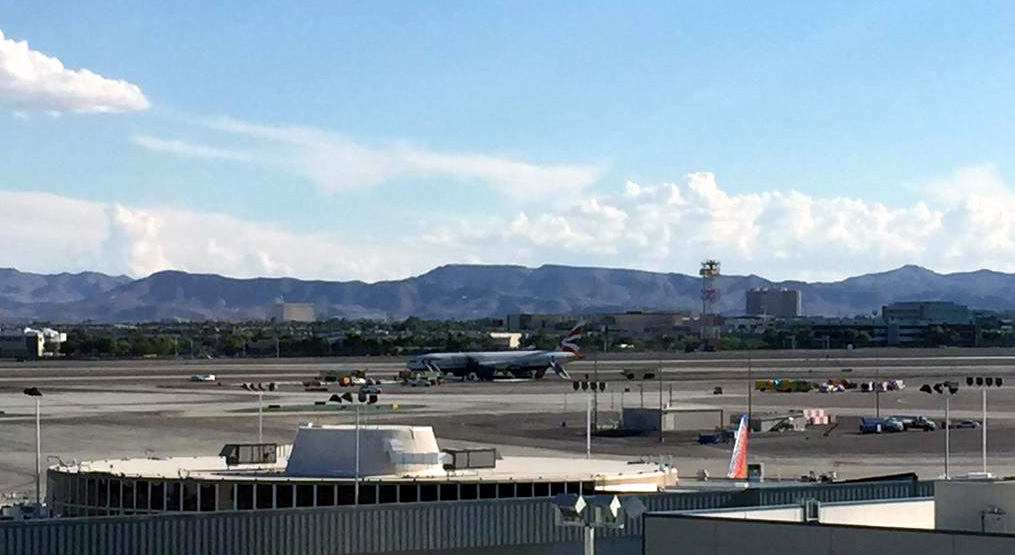
British Airways flight 2276 at Vegas – Photo: McCarran Airport
Today, we at AirlineReporter share two different opinions on passenger evacuations of an airliner during an emergency. In recent incidents, we have seen passengers taking their bags and people reacting. This story shares the opinion that it is not that big of a deal to take your bag and is written by an anonymous writer (that has been verified), who is a frequent flier, no stranger to the airline business, and is a writer. Be sure to read the opposite opinion and share your thoughts in the comments.
First off, I agree that probably it is best to leave your bag on a crashed/burning airliner. However, the attention that I have seen given to passengers who end up taking their bags with them during an emergency sickens me.
These people just went through a major incident, where many likely felt that they were going to die. Could you imagine going through something like that and then instead of having people asking you if you are okay, they harass you? I wouldn’t want that either. It now seems to be the popular thing to do.
If some of you will take the time to get off your high horse and read this, maybe you won’t be so quick to judge. I argue that people shouldn’t automatically be ostracized for grabbing their bag in the middle of a potentially deadly evacuation.
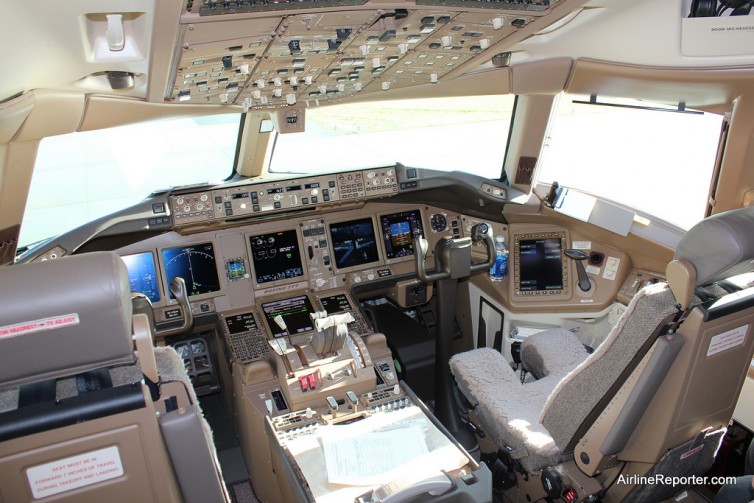
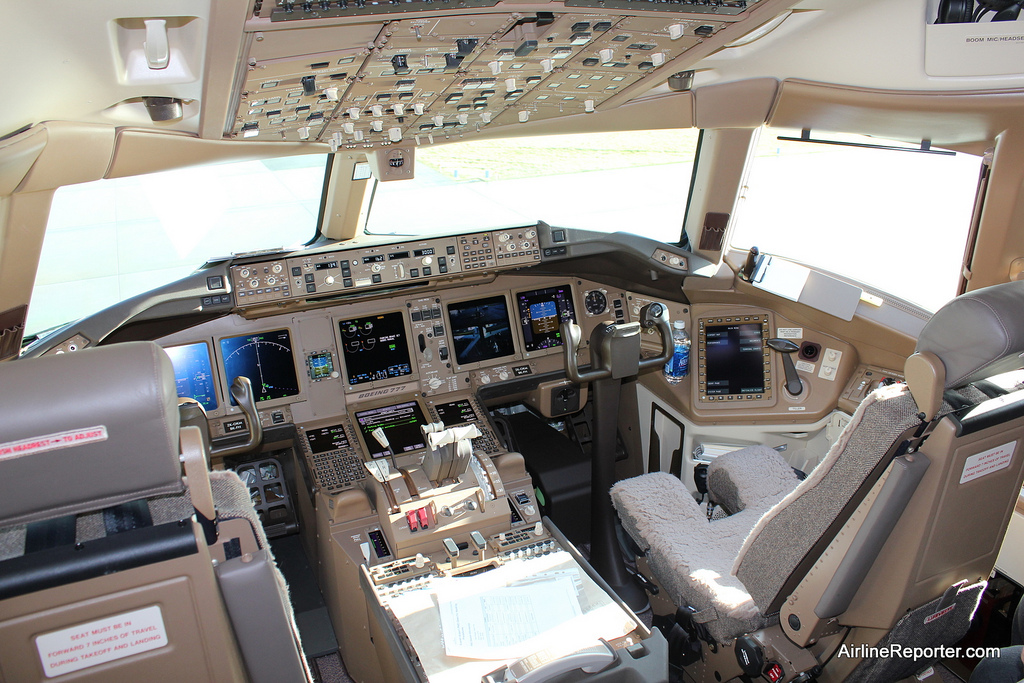
A flight deck of a Boeing 777.
Today, we at AirlineReporter share two different opinions on passenger evacuations of an airliner during an emergency. In recent incidents, we have seen passengers taking their bags and people reacting. This story shares the opinion that passengers should leave their bags and is written by Captain Owen Zupp, who is a published author, journalist, and experienced commercial pilot with over 17,000 hours of varied flight experience. His story was originally published on ThePilotsBlog.com and shared here, with permission. Be sure to read the opposite opinion and share your thoughts in the comments.
The smoke plume from British Airways Flight 2276 was still reaching skywards as people were posting dramatic images across the internet. Both distant shots and photos from passengers were blinking across the globe as fire crews tended to the stricken Boeing 777. It was a day and an event that aviation professionals dread, and yet it is also the very eventuality that endless hours of training have been directed towards.
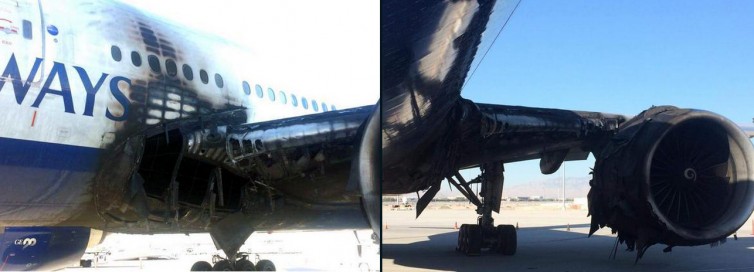
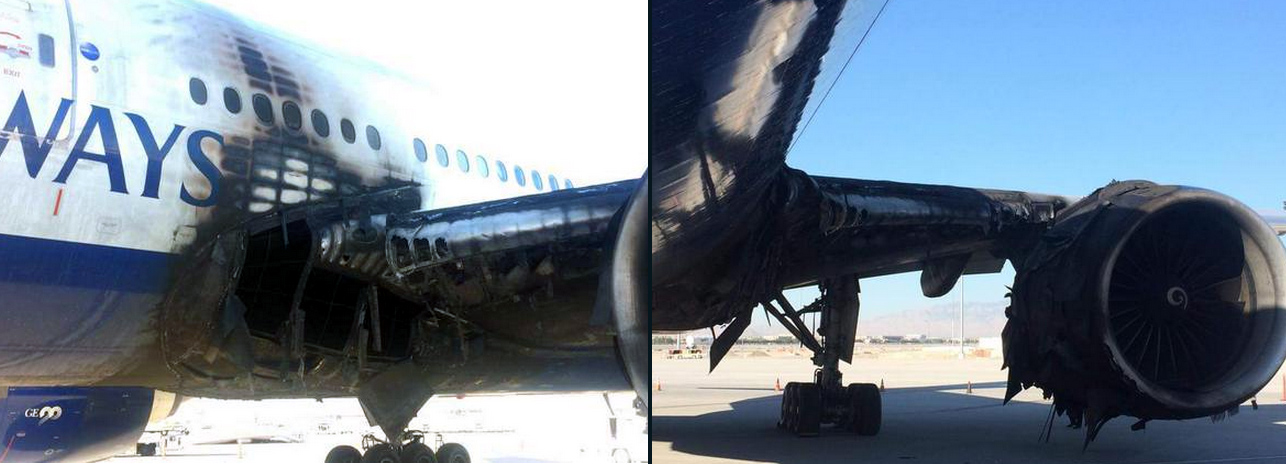
Some of the damage on the British Airways 777-200ER at Vegas – Photo: NYCAviation
On the flight deck, a “rejected takeoff” is a maneuver that is part of every recurrent simulator session for pilots. Crews are tested for a range of scenarios, from engine failure and fire, to tire deflation and loss of visibility. Sometimes, the choice to reject the takeoff is obvious; in others, it is more obscure, such as when the failure occurs at low speed with its own directional control issues, or when the problem arises at high speed when the aircraft is beyond its decision speed, or ’˜V-1’, and the takeoff must continue.
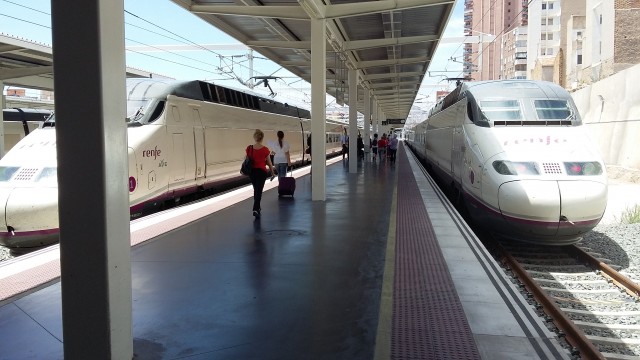
Platform at Alicante station – Photo: Ant Richards
Spain is a proud and mesmerizing nation, perched on the Iberian Peninsula on the southwestern tip of Europe. A country that conjures many festive, passionate, and eye-watering images, as well as its fair share of sometimes erroneous stereotypes. It’s a stretch of land that is as diverse in its geography as its people, cuisine, customs, and its four official languages ’“ yes, contrary to what many believe, there are four main languages and a few offshoots from some of these that are just as official.
Spain is much more than just bullfights, tapas, siestas, soccer, loud neighbors, and flamenco. It is one of the world’s tourist powerhouses, and for good reason. Spain is a country that I tend to visit quite often, for family and other practical reasons; my main destination being Madrid.
On this occasion, however, my Iberian travels took me to Alicante. A coastal city that lies on the Costa Blanca, Alicante is the second largest city in the Comunitat Valenciana, after its capital, Valencia. My final destination would be Calpe.