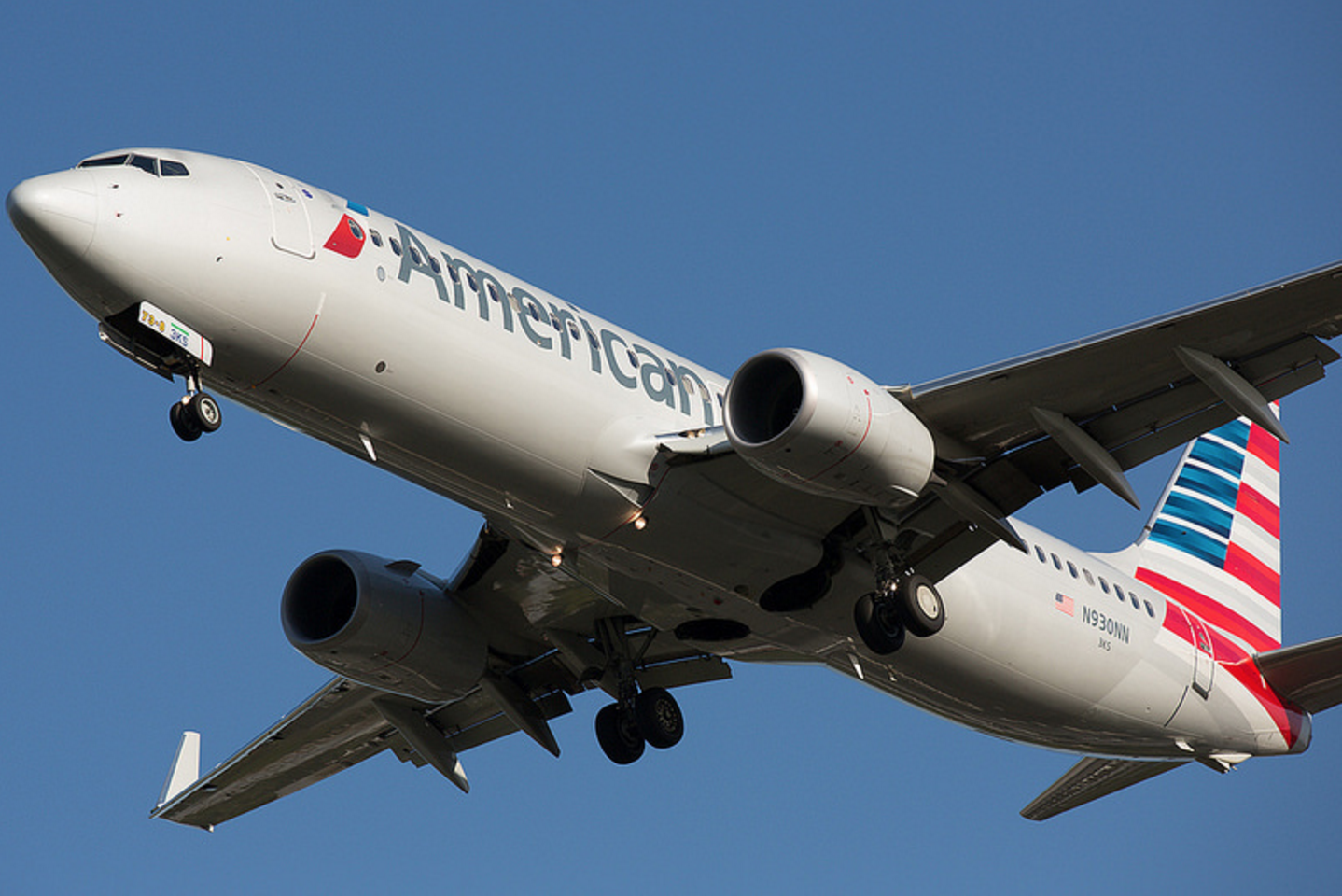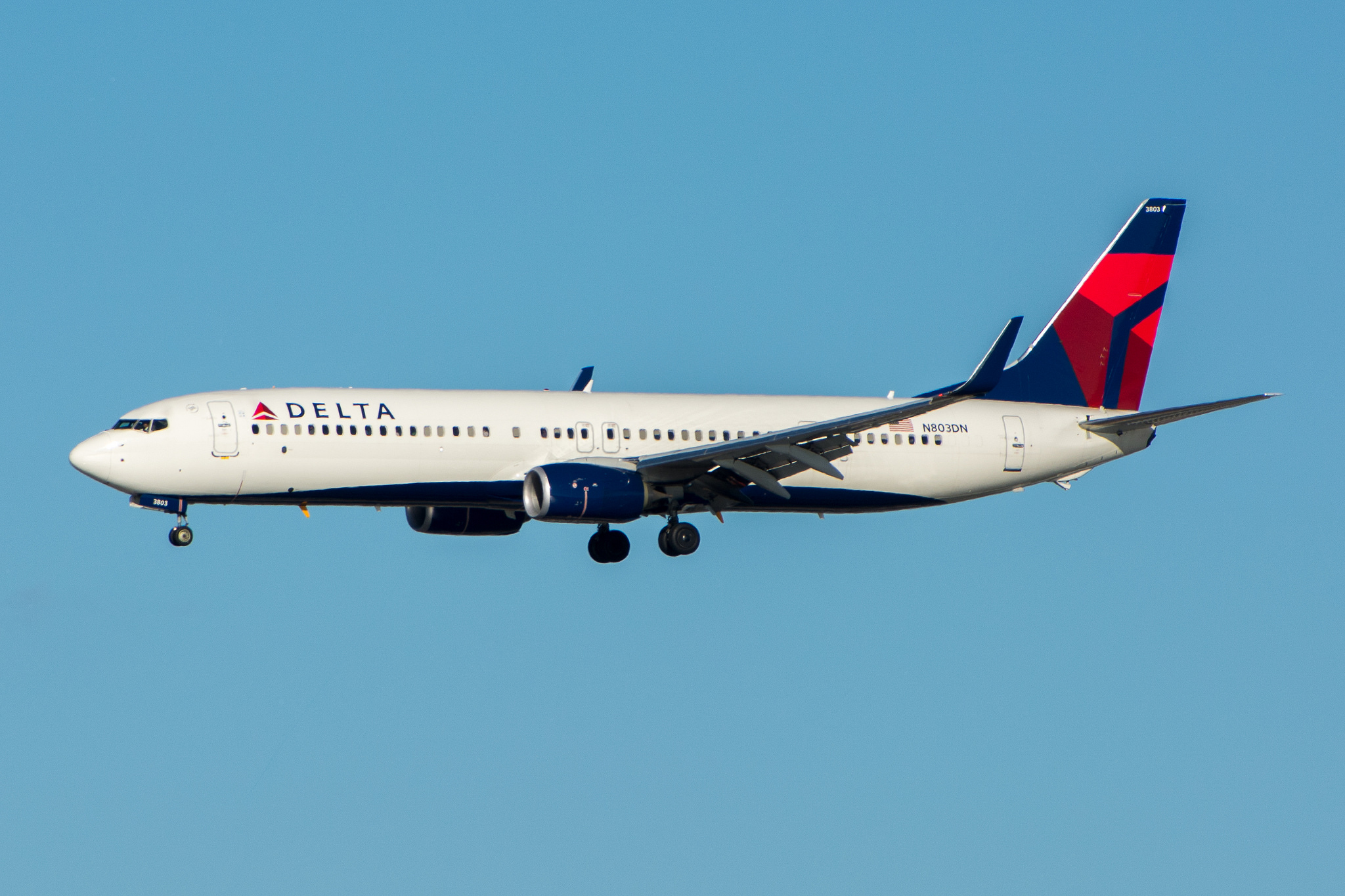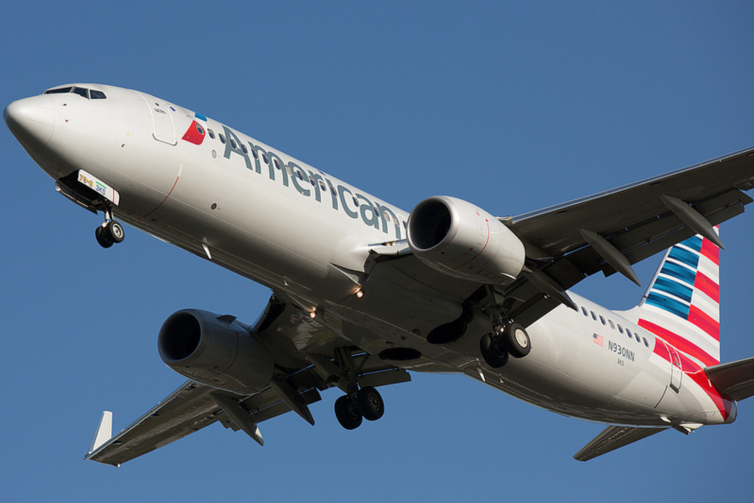
An American Airlines Boeing 737-800 – Photo: Jeremy Dwyer-Lindgren | JDLMultimedia
Recently, I had the chance to fly pretty similar flights from Seattle to Puerto Rico and back on Delta Air Lines and then American Airlines.
I had not flown on two domestic airlines back-to-back with so much the same, and I found there to be a pretty stark differences.
To San Juan, I took two Delta Boeing 737-900ERs with the newest interior (one was only a few weeks old). I flew from Seattle to Atlanta (shocking), then on to San Juan. On the way home, I took two American 737-800s. One had the Boeing Sky Interior cabin, but still shared entertainment screens. The second was an older 737-800, with no sky interior and also shared screens (but more on that later). I flew out of San Juan, through Miami, and then on to Seattle.
The cost of the tickets were exactly the same: $236 each way. I also earned Alaska Airlines miles for both flights, so I didn’t care about miles on either, nor did I have any status [update: I did not realize that Delta only gave me 50% Alaska miles vs American’s 100%. Still knowing this, it doesn’t change any of my choices or opinions since I am not much of a miles guy]. I was also in window seats and had similar seat-mate setups.
I went into these flights with no expectation of doing a story, but the fact that on similar flights, there was an obvious winner, I became motivated. And yes, you will have to wait until the end to see which airline won no cheating!
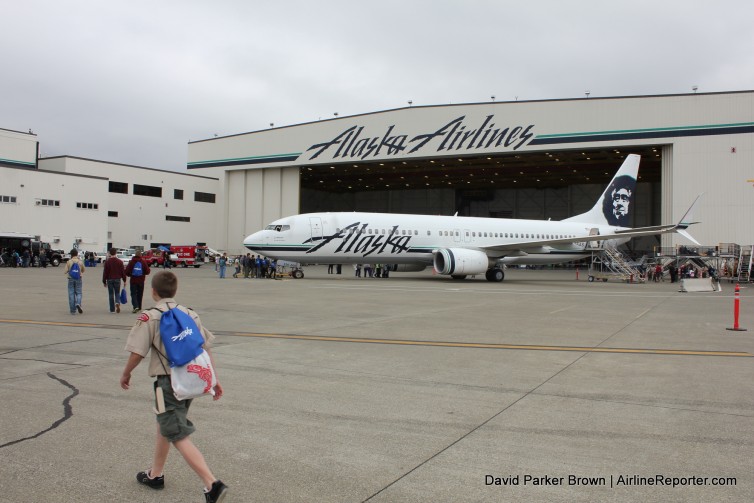
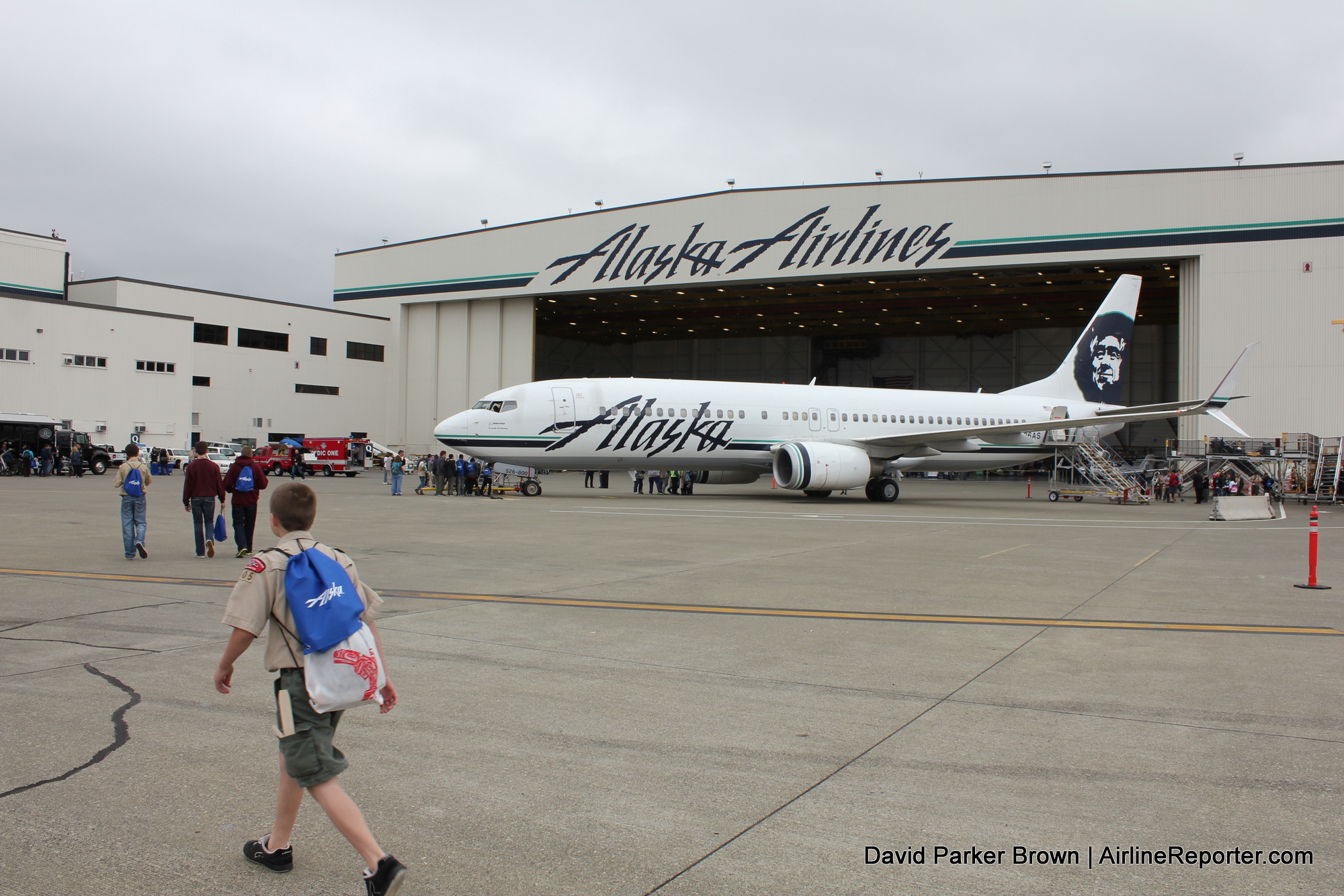
A Boy Scout walks by an Alaska 737 at Aviation Day
Passion, dedication, and giving back to the community. These are the main things that really made Alaska Airlines Aviation Day shine. Since I have been running AirlineReporter, for almost eight years, I have met many people in the airline business and aviation. Almost all have a strong passion, but no matter where I travel and who I meet, it is hard to find people that are more dedicated than those who live and work in the Pacific Northwest.
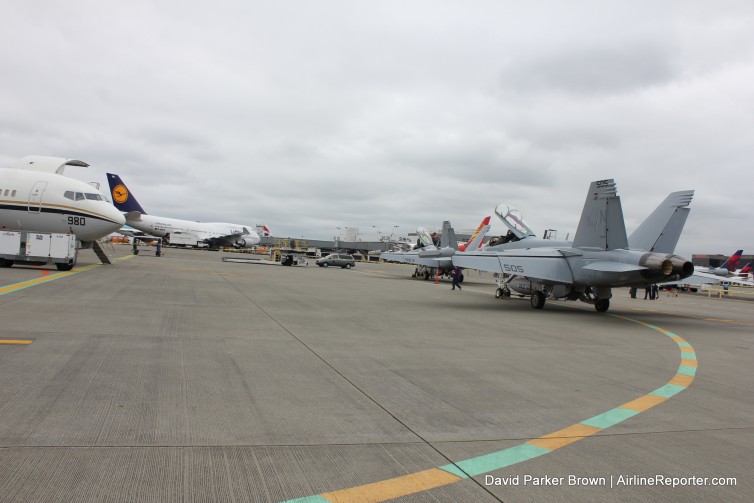
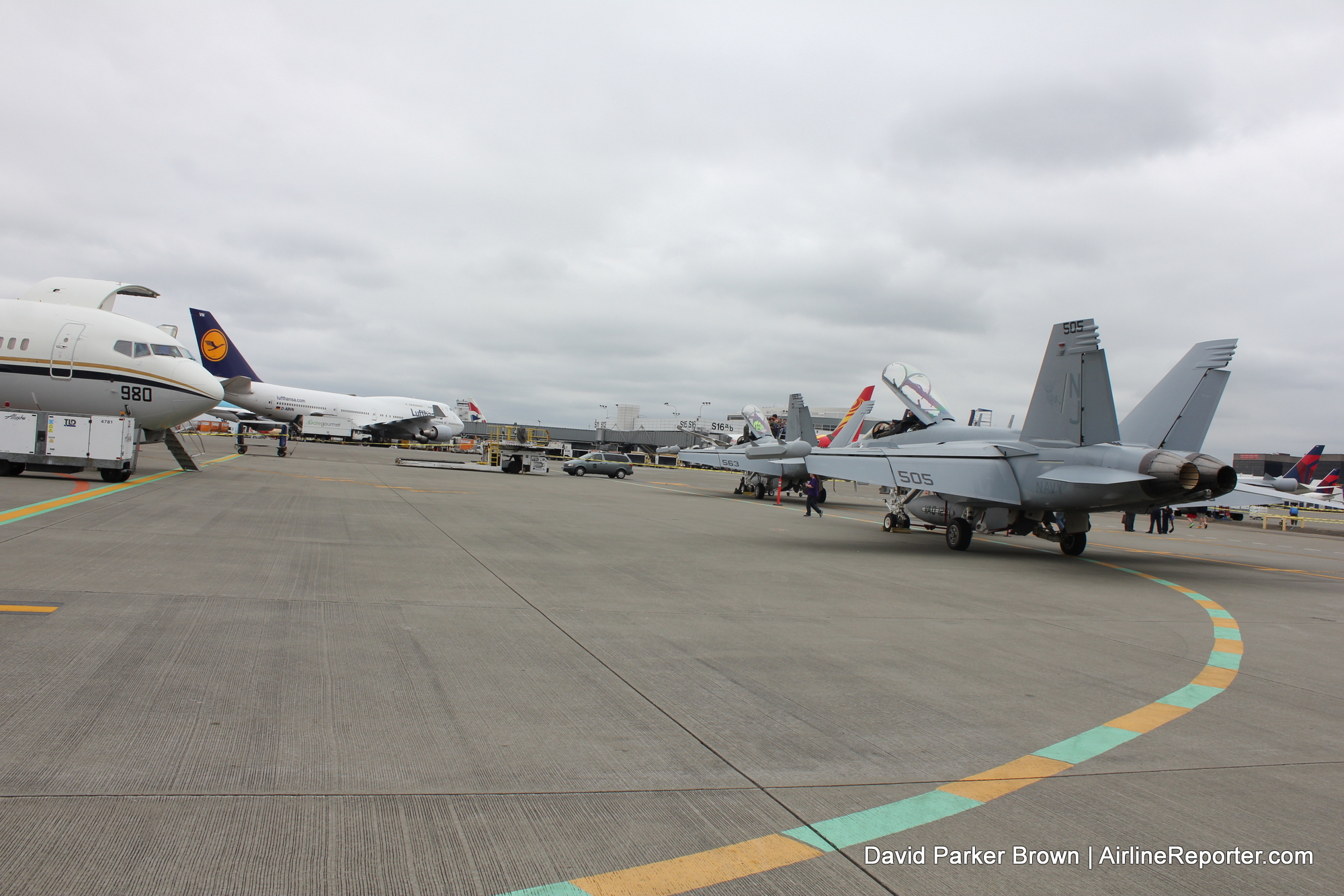
Multiple planes on display at Alaska’s Aviation Day 2015
We have deep roots in aviation here, and I think one prime example of this is Alaska Airlines’ Aviation Day. This yearly event, which is only open to formal youth groups, allows guests to experience and learn about aviation and potential careers in the field. I was invited to this year’s event, and although there were plenty of amazing things to see and do, I was more in awe of all the wonderful people who work hard to make this event happen.
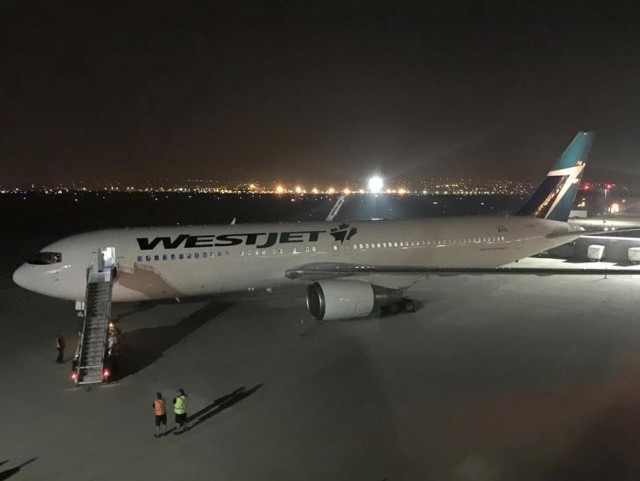
WestJet’s first 767 arrives at YYC – Photo: WestJet
UPDATE: August 27th – Well, it looks like the response to WestJet’s new logo was so overwhelming that the airline has decided to add it to the rest of its aircraft! WestJet’s Robert Palmer says, “The logo shows how proud we are to be a Canadian company and helps us introduce ourselves to new geographies we’ve never served before. Our intent was to use the logo on the 767s only, given the international nature of the routes they will serve as of next spring, but the response has been so positive that we’ve decided to use it across our entire fleet. It will take time, but eventually all WestJet aircraft will sport this proud new logo.’ Although Palmer couldn’t directly point to the positive feedback from our story, he says “We actually tested it [the logo] using focus groups and it was off the charts.”
WestJet Airlines began operations in February of 1996, with a fleet of three 737-200s flying between five cities in Western Canada. Since that time, the carrier has grown to become an international airline, serving over 90 destinations with a fleet of 108 737-600s, -700s, and -800s. In 2013, it launched regional airline WestJet Encore, now with 22 Bombardier Q400s.
The airline hasn’t really changed its teal-and-blue colored livery since its first flights, but has Disney-partnered ’œlogojet’ 737s flying, along with two planes painted with the airline’s custom-designed tartan to celebrate its Halifax, Nova Scotia to Glasgow, Scotland service. And every one of WestJet’s aircraft proudly flies the Canadian flag on the fuselage, near the rear exit doors.
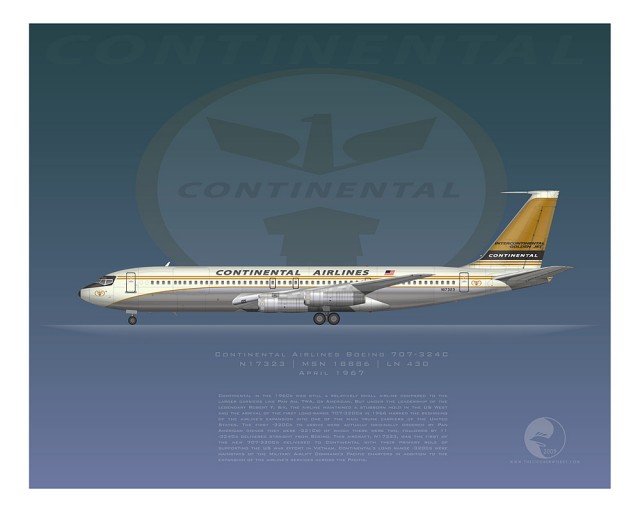
A classic Continental Airlines Boeing 707-300 – Image: JP Santiago
I suppose I was destined to be doing aircraft profile art from a young age. Many of my notebooks and textbooks had aircraft drawings scribbled on the pages and margins, often to pass the time in class. As long as I can remember, I was always drawing airplanes – on the walls of my room, in the margins of a textbook, scraps of paper and a sketchbook here and there, some of which I’m sure are probably tucked away in my parents’ attic to this day.
As a teen, I even took drafting electives to help with my drawings as they began to develop more details and precision. In high school, I had covered the walls of my bedroom with a series of aircraft profiles all to scale — I’m not sure where they are now, but they were done with technical pen and Prismacolor pencils from large aircraft like the Boeing 747 and B-52 Stratofortress, to fighter jets and World War II aircraft. I had a McDonnell Douglas KC-10 refueling a formation of F-4E Phantoms and F-15 Eagles.
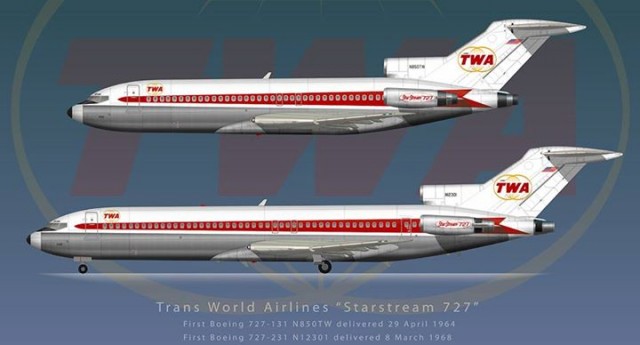
A TWA Boeing 727-100 and 727-200 – Image: JP Santiago
That was probably the start of my interest in “what-if” concepts and unbuilt designs, as there was also a profile of the proposed McDonnell Douglas P-9, a maritime patrol version of the MD-87 powered by unducted fan engines. Through college and medical school I tried my hand at pencil drawings as well, as I was searching for the ideal medium for my artwork. Many of my books were filled with profile art, which I scrutinized, by aviation artist Keith Fretwell.
I was a consummate model aircraft builder (and still am, to some extent, but not to the level of activity that I was before I had kids) which also influenced my own artwork as well. After all, the research I put into a particular model kit had just as much application to my artwork as well. That was probably the first use of the internet for me as an AvGeek.
Around 1993, I discovered the USENET and I’m pretty sure you can find my posts in the rec.models.scale and rec.aviation sections. I still remember my first posting; I was looking for the FS595 colors used for the Mod Eagle camouflage scheme on the F-15 Eagle that was introduced in the early nineties on the Eagles of the Pacific Air Forces before it became standard for the USAF’s F-15 fleet.
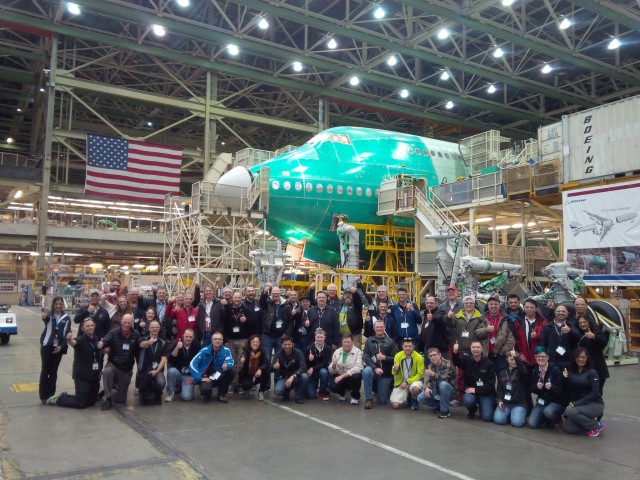
One of the AGF15 groups on the 747-8 factory floor – Photo: Boeing
It has been a while since we celebrated Aviation Geek Fest Seattle 2015 back in February, but I am still feeling the excitement. What an amazing two-day AvGeek event that was held here, in Seattle, WA on February 21 and 22.
This year, all 250 “Full” tickets sold out in less than 30 seconds. Less than 30% of the guests were from Washington state and the rest came from around the world. We had AvGeeks from Austria, Denmark, the UK, Dubai, India and, of course, our friends up north from Canada. It was a blast!
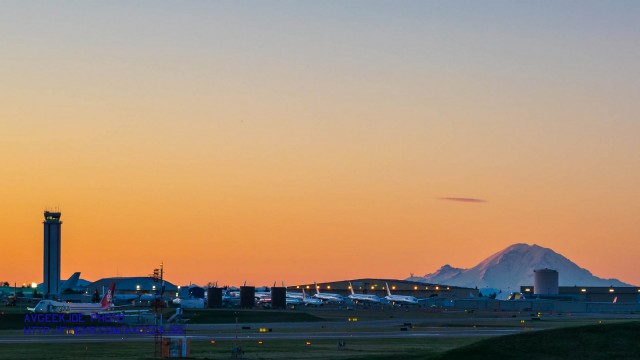
Paine Field is beyond beautiful – Photo: AvGeek Joe
For those of you not familiar with Aviation Geek Fest Seattle, it is a two-day event, where attendees get to have amazing aviation experiences with VIP access. This was our sixth time doing this, and I think the best one yet.