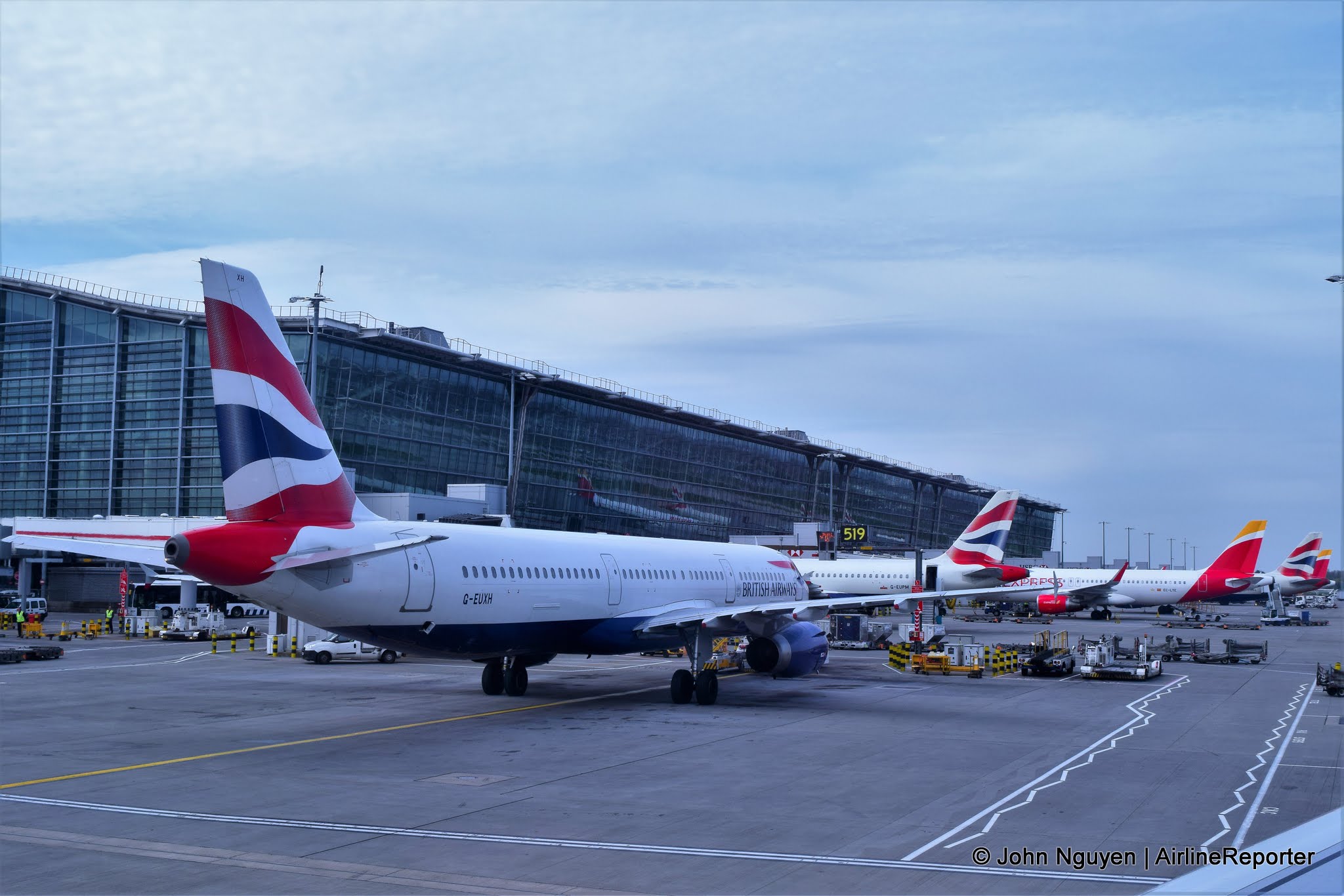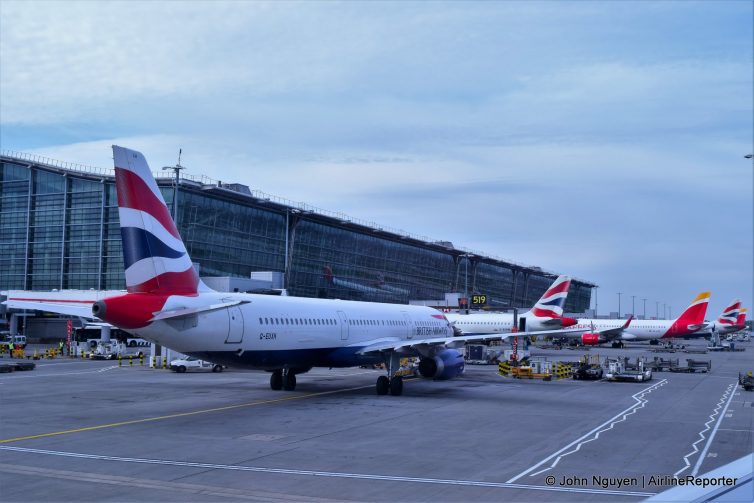
London Heathrow Airport Terminal 5
I recently had the opportunity to fly both British Airways and Iberia in short-haul economy, and talk about a 180-degree difference, especially striking when both are owned by the same parent company. While short flights don’t generally get much consideration, when one carrier offers so much more than another on the exact same route (namely between London and Madrid) for the exact same price, it’s probably better to go with the airline that will offer more and avoid the one that (spoiler alert) won’t even give you water.
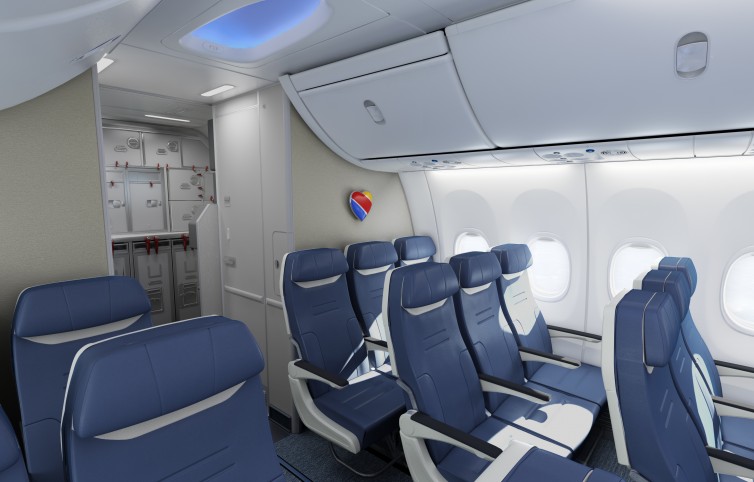
Mockup of how Southwest’s new seats will appear on the 737 MAX 8 aircraft – Image: Southwest Airlines
I recently flew Southwest Airlines for the first time in a while. I love the airline, I love what they have done for domestic air travel in the US, and I love so many of the people who work there. But I do also LUV having a seat assignment — which you cannot get with Southwest. I feel there is much added stress having to check-in early, making sure you are in the right place in line at the gate, and the worst of all: not knowing where you will sit. However, I have spoken to so many huge fans of Southwest, that actually like the process (mainly my dad and JL).
If you have flown Southwest Airlines before, you probably know the drill. When you check in, beginning 24-hours before the flight, you will be given a letter (A, B, or C) followed by a number between 1 and 60. A1 boards first, followed by the rest of the A group in numerical order. The process is repeated for the B and C groups. While the first fifteen seats are generally reserved for premium fare classes, frequent fliers, and paid upgrades, most positions are assigned in order of check-in time. End up in the C group, you will likely get a center seat (easy to remember – C for Center).
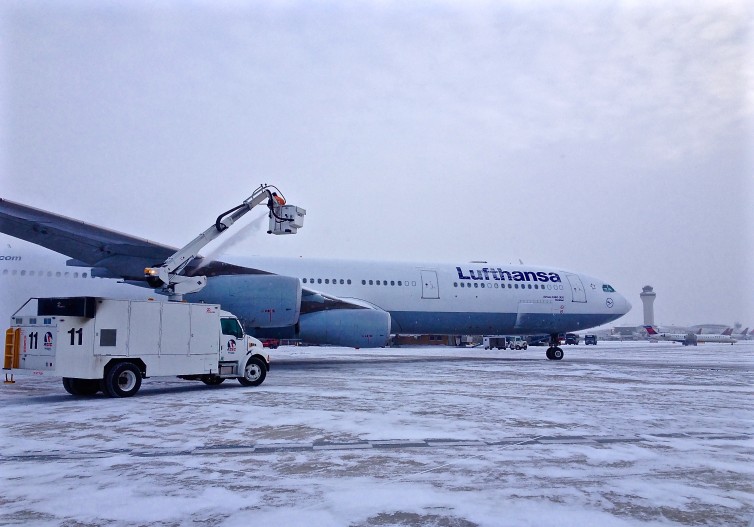
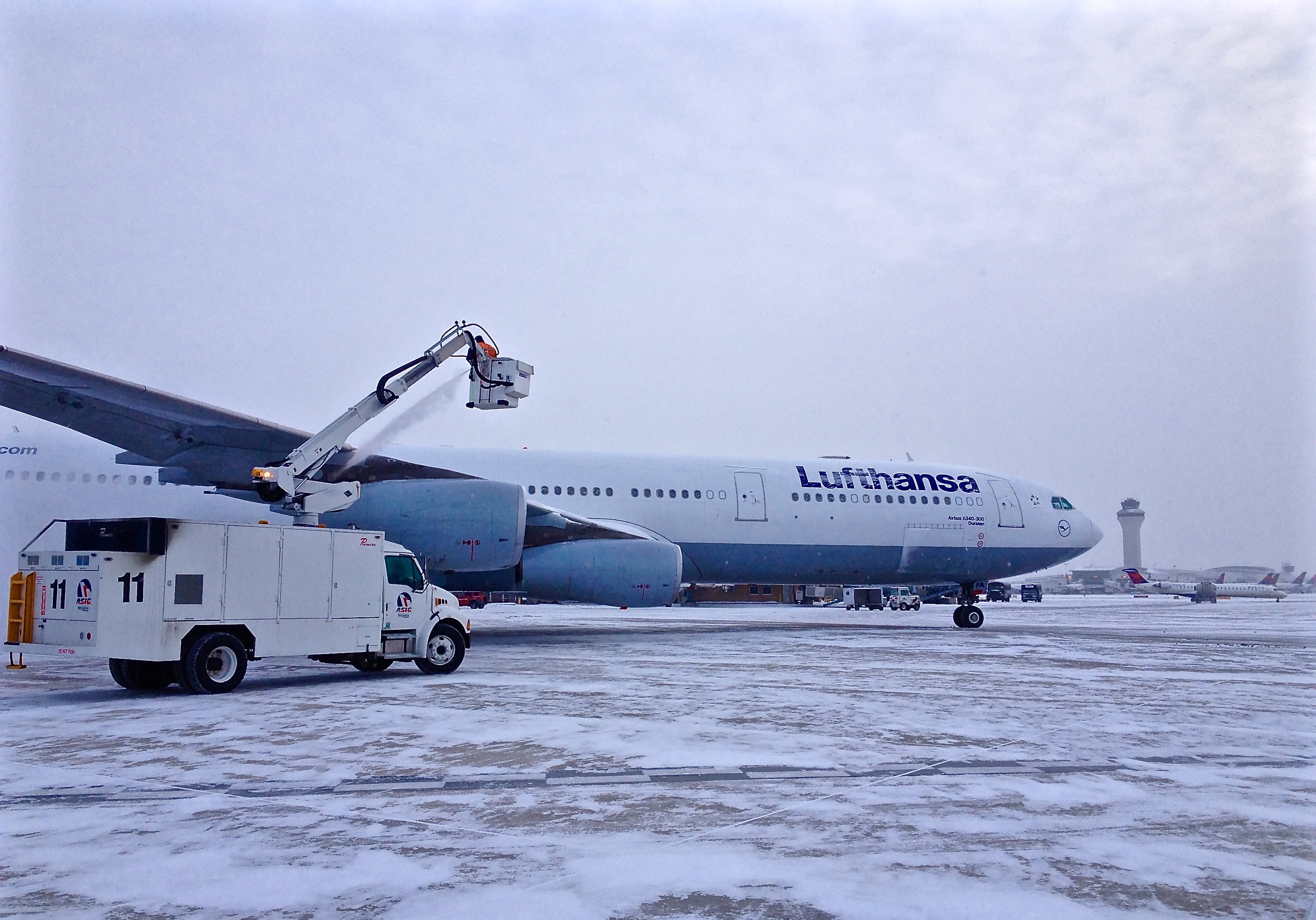
A Lufthansa A340 gets prepped for flight at the airport during snow – Photo: Andrew Poure
You’re sitting on a airliner preparing to depart from a major hub in the U.S. midwest, staring out the window. On a clear spring day, you’d pushback and be off the ground in moments, and see the shining Great Lakes and expanses of green fields and trees immediately after takeoff. That day is not today.
No, the scene out your window is white and grey as far as the eye can see. Amber and red strobe lights, from both aircraft and ground vehicles, add to the almost surreal landscape. It’s winter in the northern states.
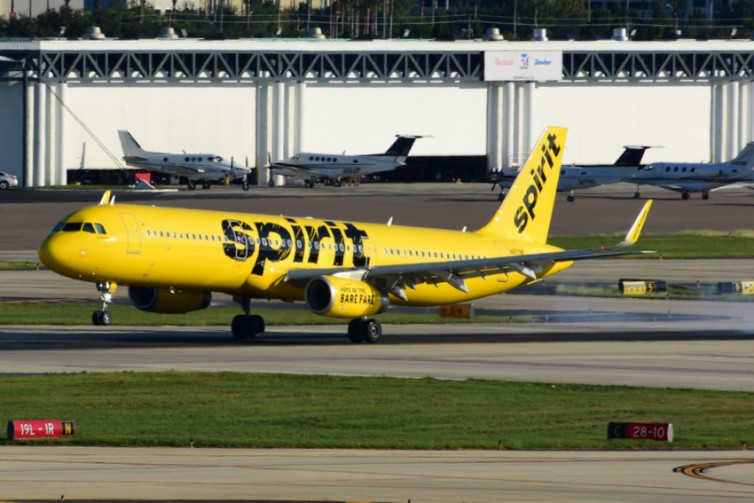
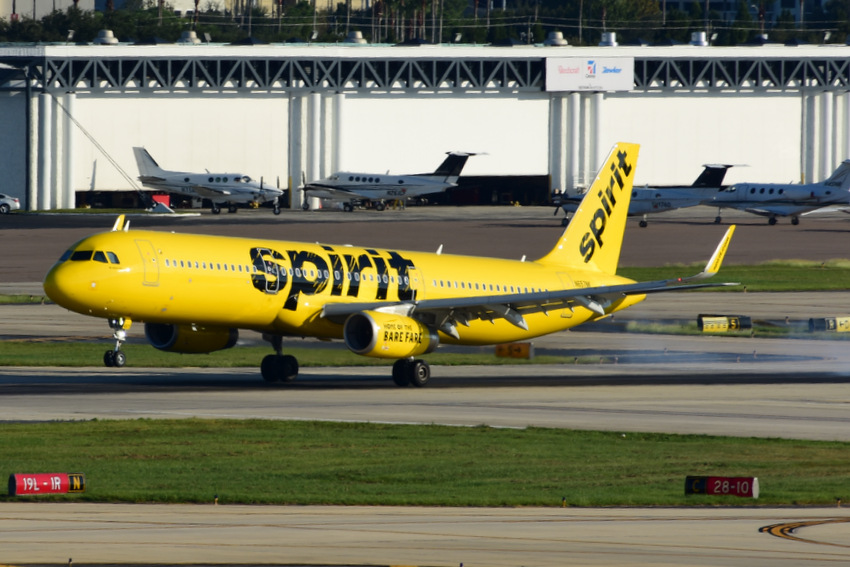
A Spirit Airlines Airbus A321 wearing the Bare Fare livery at TPA – Photo: JL Johnson | AirlineReporter
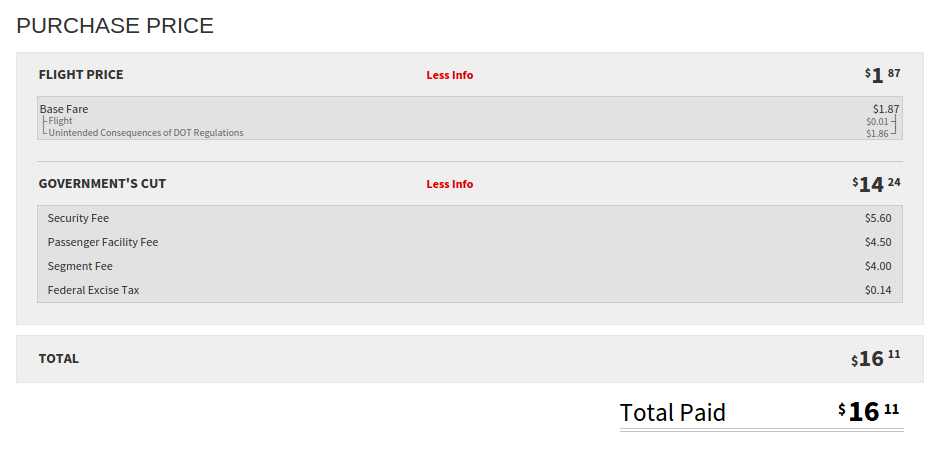
I paid a mere $16.11 for a one-way Spirit Airlines Bare Fare flight from Kansas City to Dallas. Crazy, right? It gets crazier $14.24 of that ticket went to the “Government’s Cut,” (Spirit’s words, not mine) that is, various government-imposed fees and taxes. Of the remainder, a single penny went towards the base fare, with the final $1.86 going to what Spirit refers to as “Unintended Consequences of DOT Regulations.” Depending on where you sit on the regulatory fence, the actual revenue from my Bare Fare was either a penny or $1.87.
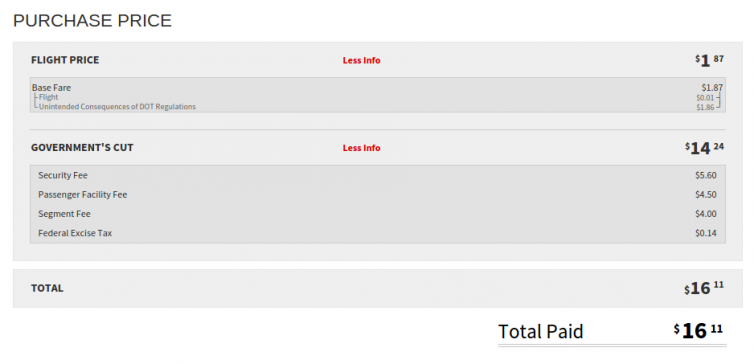
Spirit Airlines Bare Fare cost structure breakdown – Image: Spirit.com
Either way, the airline was bound to make money off of me from their various fees, right? After all, that’s what Spirit is known for: evil fees. But, what if I went totally bare and instead just paid only for “ass plus gas” (again, Spirit’s words, not mine). Do people actually do that? I did… for science.
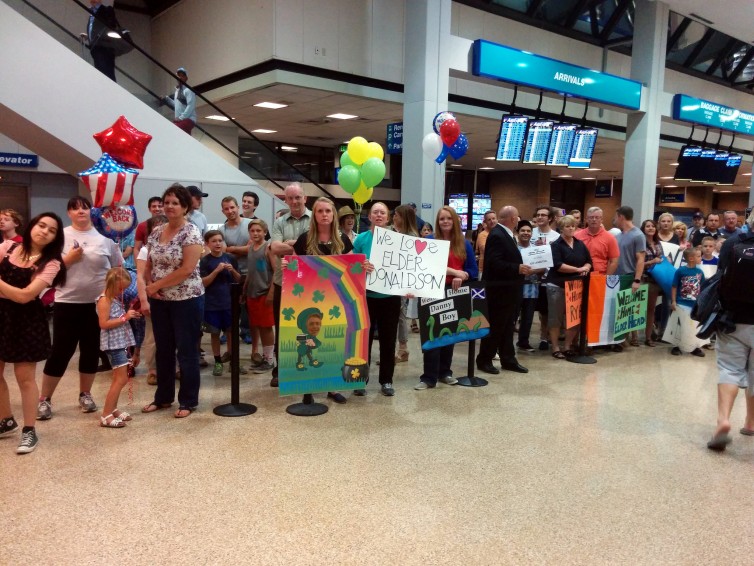
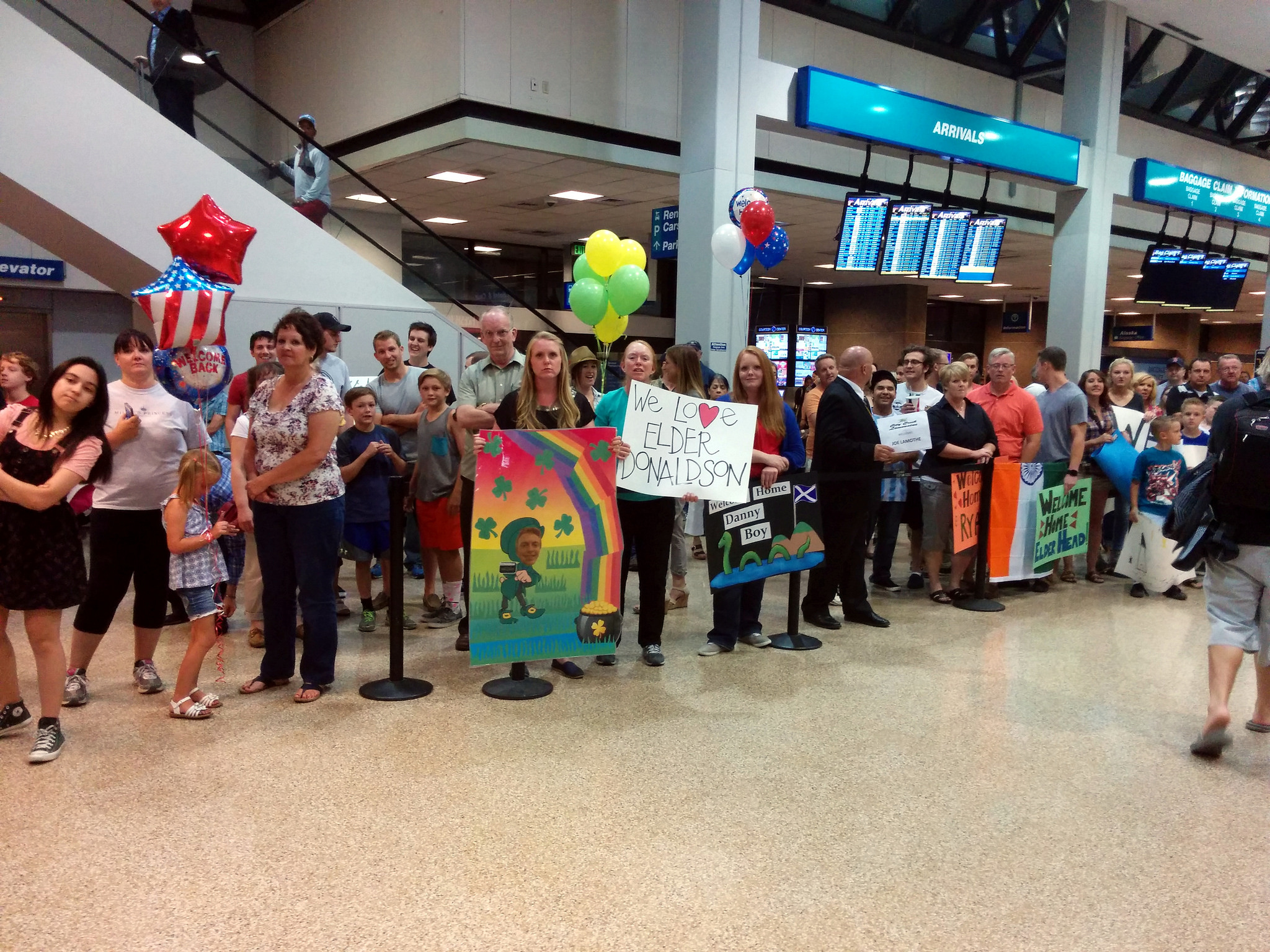
Mormons greet returning missionaries at Salt Lake City International Airport – Photo: Cory Doctorow | FlickrCC
I like flying, but it is also tiring. If I have had a few connections (perhaps some missed connections), a bumpy flight, long layovers, or an extra early wake up call, I’m worn out. When I land, I just want to get off a plane, grab my bags, and get home. I really don’t want anything to get in my way. As I’m walking down the concourse, the last thing I want is for people to hinder me. Get out of my way! You’re not here to greet me.
But, let’s consider both sides of an issue – how should groups behave as a welcoming party at an airport. Sure there are some single folks waiting for their loved one and you also get the families waiting for a child flying by themselves. Going a bit larger (and louder) you can find military service members, who have been gone for a long time, receiving a wonderful “welcome back.” All these people are deserving of welcomings, but can it go too far? How can an airport make it a win-win for everyone? And is there a limit where people should be respecting other passengers? Let’s take a look at an airport close to me, the big homecomings at Salt Lake City International Airport.